


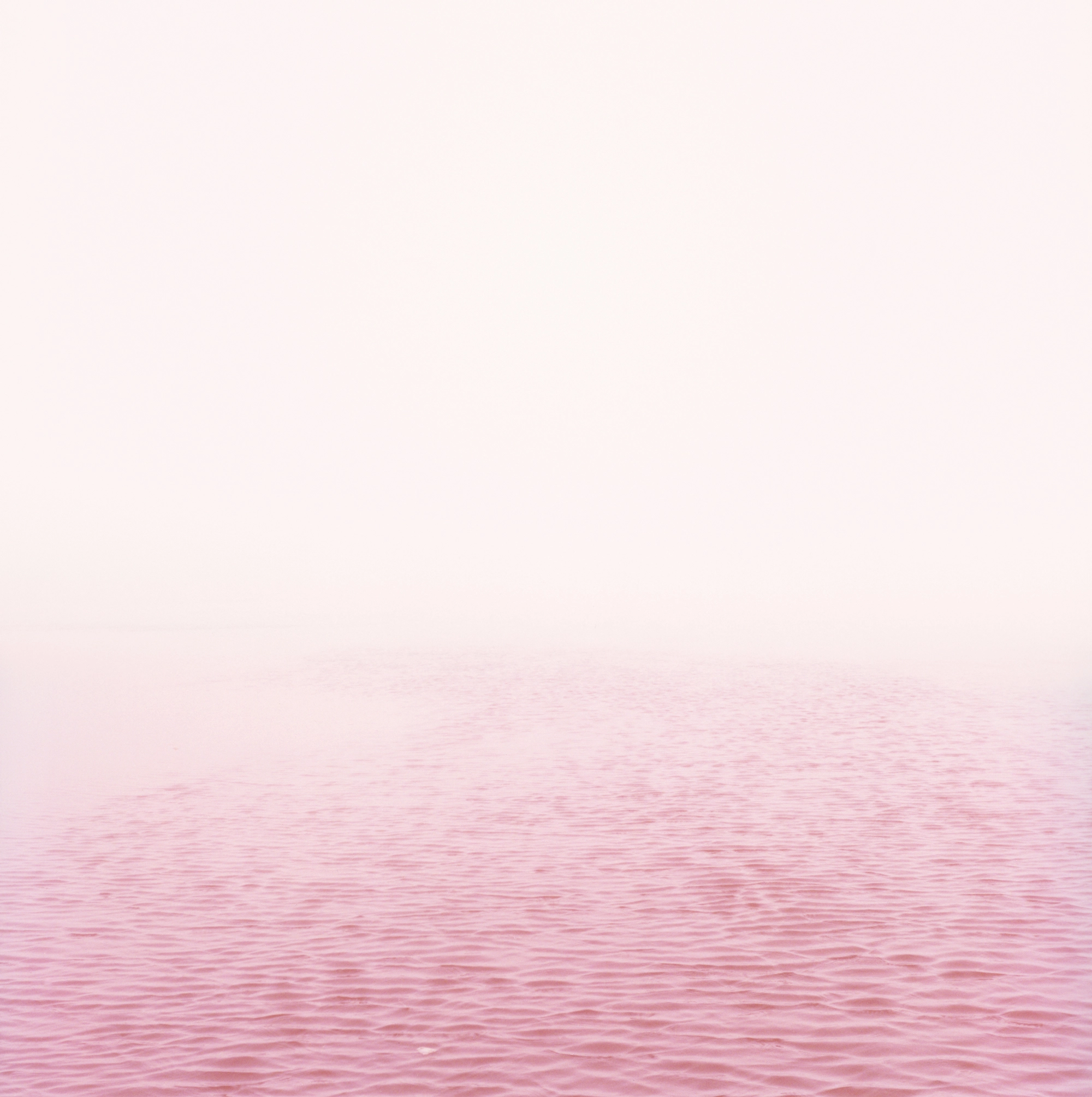
Nico Knoll
, Fossil
, 2024


New seminars starting in spring 2027
Application deadline January 17, 2027
The Ostkreuzschule is one of the most important schools for documentary photography, artistic photography and photojournalism in Germany.
We define photography as a language and photographers as authors who face the world with a clear vision, exploring and portraying social, societal and political contexts. Together we constantly reflect and discuss the basics of our photographic work. In addition to this lively culture of debate, our teaching is based on a sound technical training, theoretical foundations and a strong practical focus.
Our teachers and graduates publish worldwide in the most important media, exhibit in major museums and galleries and are honored with the most prestigious awards.
The private school emerged from the renowned Ostkreuz agency. It was founded in 2005 by Werner Mahler and Thomas Sandberg, and its program was influenced by Prof. Ute Mahler, Sibylle Bergemann, Prof. Arno Fischer and Dr. Enno Kaufhold, among others. Since 2023, it has been headed by Lia Darjes and Jörg Brüggemann.
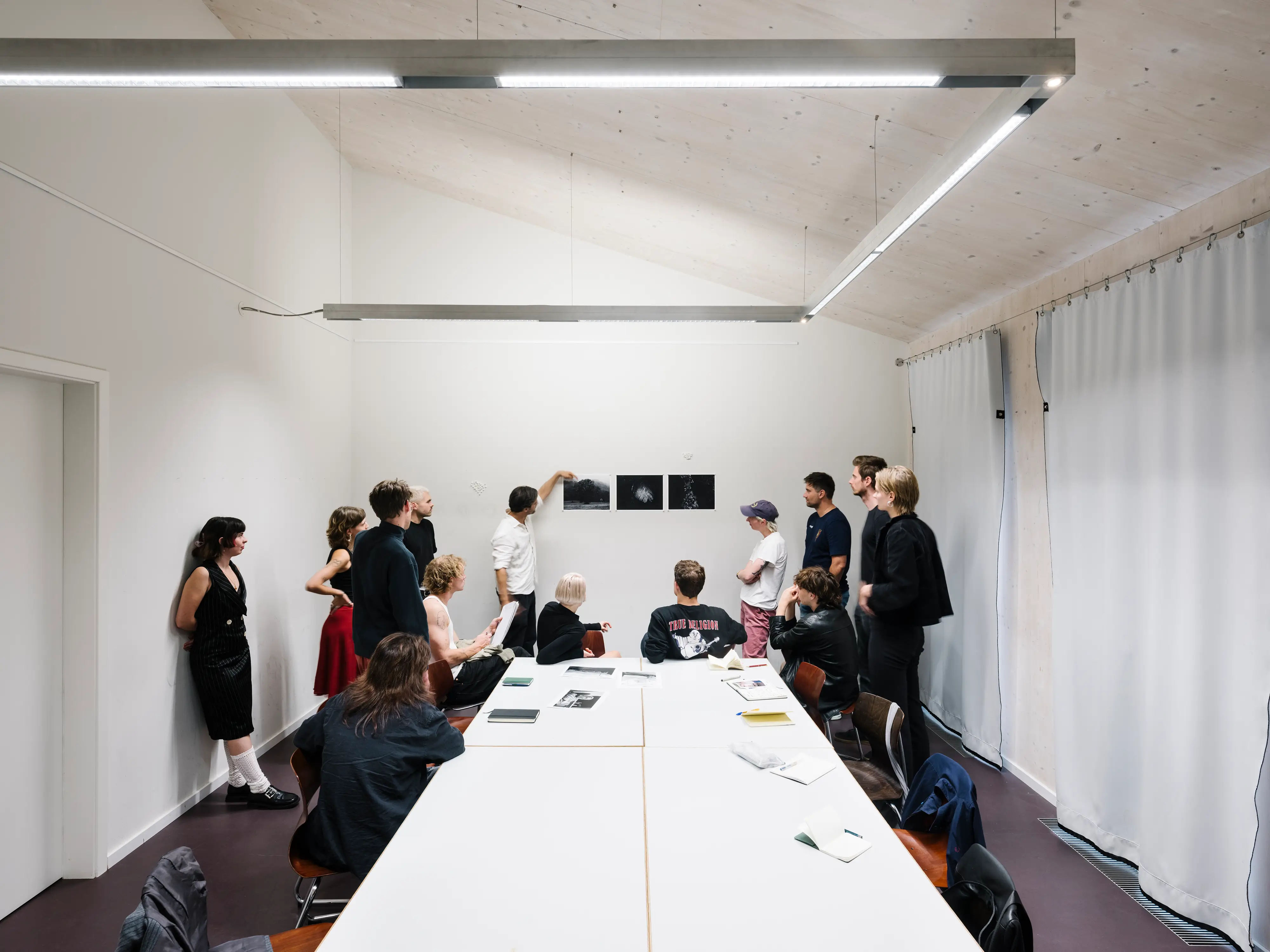
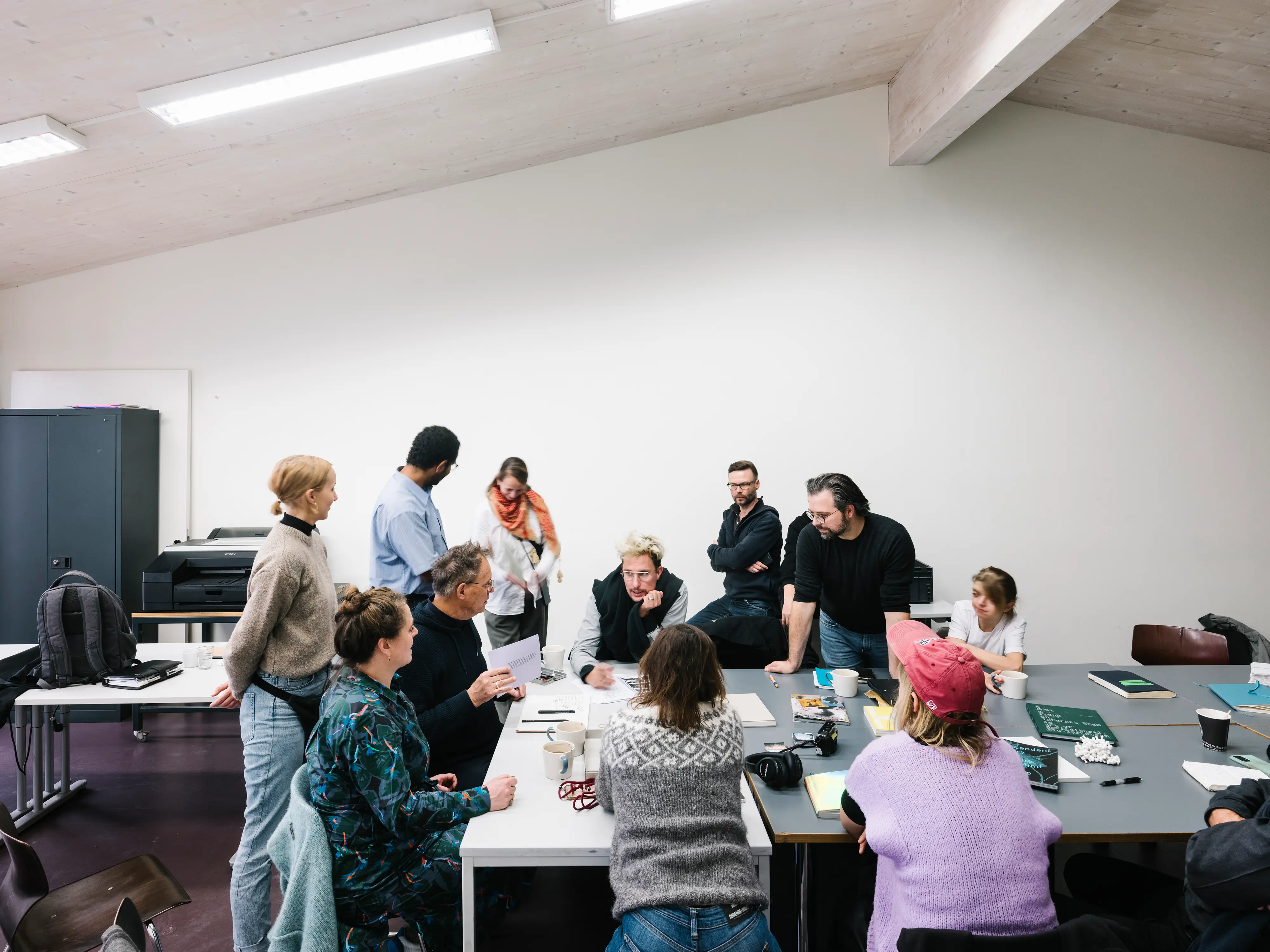
Located in a lively backyard in Berlin-Weißensee, surrounded by artist studios, our campus provides classrooms, professional workshops, a photo studio and a beautiful auditorium. Here teachers and students can meet eye to eye in a personal and concentrated atmosphere. In addition to the three-and-a-half-year photography program and the one-and-a-half-year photography master class, we also offer the one-year photo editing program as well as a variety of seminars for those interested in photography.
In the Photography study program we train students to become professional photographers. The development of your own photographic style and an impressive portfolio are the aim of the three-and-a-half-year course.
In the Foundation Class, the first two semesters, you will learn your basic photographic, technical, theoretical and creative skills, which you will deepen in the Advanced Class, the third and fourth semesters, during which you will create your first major projects. In the fifth semester, the Orientation Class, you will develop the concept of your graduation project, which you will produce and then present in the sixth and seventh semesters, the Graduation Class. These last three semesters are accompanied by advice and instructions for the first steps in the profession after your studies.
Unique to the Photography degree program at the Ostkreuzschule are the many practice-oriented cooperation projects which we initiate with magazines, museums and future clients. There are monthly evening lectures by renowned photographers and a close exchange and cooperation with the students of the Photo Editors Studies.
As a result, the Photography study program at the Ostkreuzschule qualifies you for the international photography market, regardless of whether you want to work in documentary, artistic or journalistic photography.
The Foundation Class lays the groundwork for your studies and lasts two semesters. Lessons take place in two classes with a maximum of 15 students. In the first semester you will focus on black and white photography, in the second on color photography. You will be given various photographic assignments and your results will be discussed together in class every fortnight. You will create your first serial work in portrait, reportage, landscape and architectural photography, conceptual photography and your first still lifes.
At the same time, you will learn the basics of analog and digital photography techniques and how to work in a photo studio. You will learn about the history of photography as well as the basics of design. You will also visit photo exhibitions in Berlin together as a class, go on a class trip with the whole year group and have the opportunity to work together with students of the Photo Editing Program, which includes the monthly ‘Stammtisch’ of the Ostkreuzschule.
In the Advanced Class, the third and fourth semesters, the substantive aspects of photography become more important and your personal visual language takes center stage. You create your first complex photo projects, while learning the necessary creative and research techniques.
You will expand your technical skills in analog and digital photo technology as well as in the photo studio and deepen your knowledge of photographic history and design. In addition, the various forms of publishing photography will now also become a topic and you will continue to visit monthly photo exhibitions in Berlin.
The opportunity to realize the first professional exhibition and publication projects with external cooperation partners of the Ostkreuzschule often arises during the Advanced Class. In addition, you now work even more frequently on joint projects with the students on the Photo Editors Studies.
At the beginning of the Orientation Class, your class is reshuffled and divided from two into three groups with ten students each. Together with your teacher, you will develop the topic and photographic concept for your graduation project. Alongside this, you will be taught the necessary photographic theory. You will further develop your photographic style through additional tasks. In several workshops on topics such as photography law, job acquisition, portfolio design, taxes and accounting, we will also prepare you for your future work as a freelance photographer. At the end of the Orientation Class, you apply for the Graduation Class with the concept of your final project and your first photographic sketches.
In your final year of study, the sixth and seventh semesters, you will photograph and present your graduation project. You will receive intensive support from your teacher and your class. At the same time, you will study the technical and conceptual basics of various forms of presentation in photography - including photo books, exhibitions and digital forms of presentation. Our guest lecturers for vocational training will also teach you everything you need to know about the editorial, advertising and art markets, as well as future project funding opportunities such as prizes, competitions, scholarships, residencies and festivals. During the final year a class trip will take place.
You present your finished final project in an exhibition and/or in the form of a photo book, as conclusion of your studies. Most year groups decide to organize a large joint final exhibition in Berlin, which - as a nationally recognized presentation platform - will facilitate your entry into professional life.


You can apply via the application form at the bottom of this website. In addition to your personal details, we need your CV, a letter of motivation and your photographic portfolio (max. 20 images), which you can either upload to our Dropbox in PDF format (the upload link can also be found below) or print out and send to us. The application deadline for the Photography Studies is on November 7, 2027. All your documents must have reached us by then. We will get back to you within two weeks of the application deadline.
If you are selected in this first step, you will receive a photographic assignment from us, which you will bring and present at a personal interview at the Ostkreuzschule on December 4, 2027. You will then find out whether you have been accepted for the photography study program. If you are accepted, your studies will begin in March 2028.
Your school-leaving certificate is irrelevant to us. We are only interested in your photographic interest and talent.
However, you must be of legal age to apply to the Ostkreuzschule. There is no upper age limit. In terms of age structure our class groups are typically more diverse than at other universities. In our classes, different generations, life experiences and perspectives meet, learn together and exchange ideas.
An internship is not compulsory either before or during your studies. However, we recommend that you gain your first professional experience from the Advanced Class onwards. Our alumni network can help you make the right contacts.
The Photography Studies are taught in German. It is therefore necessary for you to understand German, but you do not necessarily have to be fluent in speaking or writing it. We recommend at least level B1.
After your training, you will receive a certificate from us, but not a university degree in the traditional sense, as the Ostkreuzschule is a private school and is not run by a state organization. Therefore, as a student at Ostkreuzschule, you are unfortunately not entitled to BAföG.
Experience has shown that graduating from a state institution gives you no advantage for your later work as a photographer. What counts is your graduation project, your portfolio and the reputation of the Ostkreuzschule.
Furthermore, at many German state universities, credit points are granted for their diploma, bachelor's, and master's programs for completion of the Photography Studies at the Ostkreuzschule.
If you already have the relevant photographic skills and previous knowledge, you can also apply for a higher semester. Please also apply to us for this as described above through the application form, and mention in your letter of motivation which semester you are applying for. Please also let us know by phone that you would like to apply for a higher semester. We will then be happy to advise you again about your chances and options.
Application deadline for the third or fifth semester is also November 7, 2027. Such a lateral entry is also possible for the second or fourth semester in the winter term, which begins in September. Application deadline for the second or fourth semester is on July 11, 2027.
After a personal interview we will decide whether you can actually enter a higher semester. In most cases, however, we recommend starting in the Foundation Class and attending all semesters of the program. This way, you will actually learn all the important issues and have enough time to develop your own photographic style.
In the Foundation Class, you have 36 teaching days per semester; in the Advanced Class, 33 teaching days per term; and in the Orientation and Graduation Class, an average of 20 teaching days per term.
A semester at the Ostkreuzschule lasts five months. The summer semesters run from March to July and the winter semesters from September to February. Semester breaks are from mid-July to mid-September as well as over Christmas and from mid-February to mid-March.
The Foundation Class begins with two to three weeks of lessons in a row. After that, your lessons take place every fortnight for three to five days in a block. This means that there are usually alternating weeks of classes and weeks without classes. In addition to the on-site classes, you should plan two to three days per teaching block for independent photographic work. This includes practicing photography techniques on your own and applying and increasing the software skills that we teach you in class.
Overall, you can expect a time commitment that allows you to do a job on the side. In the Orientation and Graduating Classes, you will have fewer lessons but more time to photograph your final project. The final project itself is created outside of class hours and takes different amounts of time depending on the concept.
The Ostkreuzschule has a digital lab with scanners, printers and computer workstations equipped with the latest photo and design software. Here you can scan, edit and print your pictures to a professional standard. We also have an analog black and white and color darkroom, a photo studio with its own free photo equipment lending service and an extensive library of photo books, which is constantly being expanded. You can use all the workstations in our workshops during your studies free of charge or at the cost of materials 24/7.
The best way to find out more is to visit us at our next open house on October 9, 2027. On this day, teachers and students will be available to answer all your questions. We will also be presenting current work created during studies at the Ostkreuzschule. In addition, we are offering you the opportunity to have your portfolio reviewed, for which you can register via our application portal. If you don't want to wait that long, you are also welcome to visit us at any time during the semester. Please register in advance by email or phone.
Foundation Class € 2,660 (incl. 19% VAT) per semester.
Advanced Class € 2,520 (incl. 19% VAT) per semester.
Orientation Class € 2,200 (incl. 19% VAT) for one semester.
Graduating Class € 2,200 (incl. 19% VAT) per semester.
A total of €16,960 (incl. 19% VAT) for seven semesters.
You will receive a separate contract from us for each class, so you are committed for a maximum of one year. There is the option of a monthly payment or a one-off payment at the beginning of the academic year, where you will receive a 3% discount.
Before you start your studies, you should buy your own analog and digital SLR or system camera with interchangeable lenses. At the beginning of your studies these do not have to be professional models; such a purchase usually only pays off later. We have an internal notice board where you can purchase many things from your fellow students at lower prices. You will also need a computer.
As a student at Ostkreuzschule, you can purchase many of the software licenses you need for your work at a student discount. You must cover the costs of material such as analog films, photographic chemicals and paper yourself. The items you use in our workshops, such as printer paper and ink, will be charged at material cost price. Experience has shown that these costs amount to between €50 and €100 a month.
There is a class trip in both the Foundation and Graduating Classes, which usually costs around €100. Your class graduation exhibition is financially supported by the Ostkreuzschule, but is largely organized and financed by your class. The costs vary depending on the chosen exhibition venue and the type of exhibition. The decision on this is up to you and the fellow students in your class.
What makes a good picture? How do I tell a story with pictures? What narrative forms are there to visualize recurring, socially relevant topics in such a way that they are seen? These are the fundamental questions that you will explore in the Photo Editors Class.
The Ostkreuzschule is the only training center in Germany to offer this program. In two semesters, you will acquire the most important skills that visual experts need for their work. In the Photo Editors Class, you will learn about current trends and debates in photography, especially in photojournalism and documentary photography, and discuss them with your teachers and in class. You will utilize the synergies within the group and the entire school to deepen your visual memory and understanding.
In lessons with Nadja Masri, the head of the program, as well as with the numerous guest lecturers, the different genres in photography are covered and national and international photographers and agencies are introduced. You will also carry out numerous image searches, assess individual images and stories and edit and discuss sequences of images for different outlets with your fellow students. You will learn how to assess portfolios and proposals, research topics and brief photographers.
You will familiarize yourself with the most important digital tools and gain an insight into the world of AI. You will complete a writing workshop, try out daily newspaper production, learn how to keyword images, the basics of media law and fact checking. You will also gain an insight into the processes of curating, explore the medium of the photo book and learn about the history of photography.
You will deepen your practical knowledge in numerous projects together with photography students of the Ostkreuzschule, the ICP in New York and the Portraits-Hellerau Photography Award. This will enable you to build up a valuable, extensive network during your studies.


You apply via the application form at the bottom of this website. In addition to your personal details, we need your CV and a letter of motivation, which you can either upload to our Dropbox in PDF format (you will find the upload link below) or print out and send to us. The application deadline for the Photo Editors Studies is on November 7, 2027, by which time all your documents must have reached us. We will get back to you within two weeks of the application deadline.
If you are selected in this first step, we will send you documents that you should prepare for a personal interview on December 4, 2027. After this interview, we will let you know whether you have been accepted into the program. The program starts in March 2028.
Your school-leaving certificate and age are not important to us. What we are interested in is your passion for photography and the desire to work professionally with images. However, you must be at least 18 years old to study photo editing. An internship is not required either before or during the program.
The Photo Editors Studies is taught in German. Therefore, it is necessary that you understand German, but you do not necessarily have to be able to speak or write it fluently. We recommend at least level B1.
After your training, you will receive a certificate from us, but not a university degree in the traditional sense, as the Ostkreuzschule is a private school and is not run by the state. Therefore, as a student at Ostkreuzschule, you are unfortunately not entitled to BAföG.
However, a university degree is not required to start a career in this field. Graduates of the Photo Editors Studies work nationally and internationally for major magazines, museums and artists, including Arte, Blau – Ein Kunstmagazin, C/O Berlin, Deutschlandfunk Kultur, der Freitag, Der Spiegel, dpa, f3 – freiraum für fotografie, FAZ, Fluter Online, Focus Magazin, Foto Arsenal Wien, GEO, Kulturaustausch Magazin, laif Foundation, mare Verlag, Missy Magazin, Max, the Ostkreuz agency, Philosophie Magazin, Raufeld Media, Shift Books, Stern, Studio Stauss, Tagesspiegel, taz, Territory, Triennale der Photographie Hamburg, Visions Verlag, WDR, Wir machen das e. V., Die ZEIT, ZEIT Campus and ZEIT ONLINE. They also volunteer with AFF Galerie, emerge – Magazin für jungen Fotojournalismus and Fototreff Berlin.
There is a maximum of 14 students in your class. The group is typically diverse in terms of age and biographies, which makes the class very exciting. Everyone is united by a passion for photography and the desire to professionalize their skills.
If you are accepted, your studies will begin in mid-March 2028. Classes take place once a month as a six-day block seminar, usually from Sunday to Friday. The program ends after ten block seminars in February 2029 with a final presentation and the awarding of the certificate. Semester breaks are from mid-July to mid-September and from mid-December to mid-January.
You should expect to spend around two to four additional working days per month working independently on assignments and projects. Overall, you can expect a time commitment that allows you to combine studying at the Ostkreuzschule with a job and your family.
The best thing to do is to visit us at our next open house on October 9, 2027. On that day, Nadja Masri will be available to answer all your questions in person. If you don't want to wait that long, you are also welcome to visit us at any time during the semester. Please register in advance by email or phone.
€4,900.00 (incl. 19% VAT) for 10 block seminars with a total of 60 teaching days or €490.00 per monthly block seminar (incl. 19% VAT) with six teaching days each. If you pay the annual fee in advance, you will receive a 3% discount.
The contract does not include a cancellation period. Cancellation is only possible in exceptional cases such as illness and is reviewed by the school.
In recent years, we have always initiated a photo book project in cooperation with the graduates of the Ostkreuzschule and the ICP in New York and presented it at a book launch in Berlin at the end of the academic year. Although this project is financially supported by both schools, it is produced and mostly financed by you. You can obtain a press pass from us for €80.00, which gives you free entry to many museums.
In the Photography Masterclass, you will develop a new, extensive photographic project over four semesters in a class of no more than 15 students. The aim is to find and develop your individual photographic style. The basis for this is an intensive tutoring and discussion about photography and the presented images. The masterclass deepens and expands your knowledge and photographic skills. From concept to capturing to presentation, you will expand your knowledge and skills, which are necessary for the creation of a long-term photo project. Working on your projects will be accompanied by constant discourse on contemporary photography and the classics. Additionally, experts from the field of photography are invited to participate in a number of block seminars.


The next Photography Masterclass, which begins in spring 2027, is expected to be led by Sibylle Fendt and Prof. Peter Bialobrzeski. The photography master class that began in spring 2026 is led by Prof. Linn Schröder and Ingo Taubhorn.
You can apply for the next Photography Masterclass, which begins in spring 2027, starting in fall 2026. You can apply using the application form at the bottom of this website. In addition to your personal information, we require your resume, your portfolio as a PDF document (which should include your thesis, if available), and a synopsis of your planned new project (max. 1 A4 page). We will get back to you within two weeks of the application deadline. If necessary, a personal interview with Sibylle Fendt and Prof. Peter Bialobrzeski will take place. If you are accepted, your studies will begin in spring 2027.
You must either have completed a degree in photography at a university, art school or comparable institution like the Ostkreuzschule or be a self-taught photographer with above-average aptitude and be able to prove this with your portfolio.
There is no upper age limit. Our class groups are typically much more diverse in terms of age structure than at other universities. In our classes, different generations, life experiences and perspectives meet, learn together and exchange ideas.
The Photography Masterclass is taught in German. Therefore, it is necessary that you understand German, but you do not necessarily have to be able to speak or write it fluently. We recommend at least level B1.
After your training, you will receive a certificate from us, but not a university degree in the traditional sense, as the Ostkreuzschule is a private school and is not run by a state organization. Therefore, as a student at Ostkreuzschule, you are unfortunately not entitled to BAföG. However, experience has shown that it is irrelevant for your later work as a photographer whether you have graduated from a state institution. What counts is your final thesis, your portfolio and the reputation of the Ostkreuzschule, its teachers and its previous graduates.
The next Photography Masterclass begins in spring 2027 and takes place in seven three-day block seminars, usually from Friday to Sunday, over a period of four semesters. If you are planning a joint exhibition of your completed work, it will take place in spring 2029. In this case, the seventh block seminar would be devoted to curating and hanging the exhibition. You will photograph your work outside of the block seminars. This requires a certain amount of time, depending on your concept and working method. Overall, you can expect to spend enough time to complete the masterclass alongside your job and family.
The Ostkreuzschule has a digital workshop with scanners, printers and computer workstations equipped with the latest photo and design software. We also have an analog black and white and color laboratory, a photo studio with its own photo equipment lending service and an extensive photo book library. The workshops and laboratories at the Ostkreuzschule are mainly used by students on the photography program, however can also be used by students of the photography master class, depending on availability and a corresponding introductory appointment for a fee.
The best thing to do is to visit us at our next open house on October 10, 2026. On that day, teachers and students will be available to answer all your questions. If you don't want to wait that long, you are also welcome to visit us at any time during the semester. Please register in advance by email or phone.
The Photography Masterclass costs €3,900.00 including 19% VAT for seven block seminars of three days each. €1,800.00 is due on enrollment and €300.00 two weeks before the start of each block seminar.
If you pay the total amount at once, you will receive a 3% discount. The contract does not include a cancellation period. Cancellation is only possible in exceptional cases such as illness and will be checked by the school.
You have to cover the costs of your photo equipment, computer and software licenses, consumables and any travel expenses. If you use our workshops, we will charge for working material such as printer paper and ink. One of the seven block seminars is typically used for a class trip, which usually costs around €150.00. If you would like a press card, you can obtain one from us for €90.00 per year. The photography master class normally ends with a joint exhibition of the final projects, which you organize and finance yourself. These costs vary depending on the chosen exhibition venue and form. The decision on this is up to you and your fellow students in your masterclass.
These seminars are an offer for all those who want to improve their photographic skills over the course of a year. They are aimed at anyone interested in photography as well as students and professionals.
Together with our lecturers and the class group, you will deepen and expand your photographic knowledge and experience. The aim is to develop and realize your own photographic project. Your individual artistic expression is particularly encouraged.
The content of the seminars is also dynamically tailored to the needs and knowledge of the participants. In recent years, most seminars have ended with joint exhibitions. You can find more information in the seminar descriptions of the individual lecturers.
The portfolio development seminar is aimed at photography graduates and professional photographers who want to develop their work in a targeted manner and position themselves strategically so that they can reach their full potential and earn more money.
New seminars always begin in the fall or spring of each year. The weekend seminars take place on 10 dates over the course of a year, the evening seminars on 20 dates also over the course of a year, while the portfolio development seminar takes place on seven dates within eight months.
We are offering new seminars starting in spring 2027, for which you can apply now.
Göran Gnaudschun
Weekend Seminar
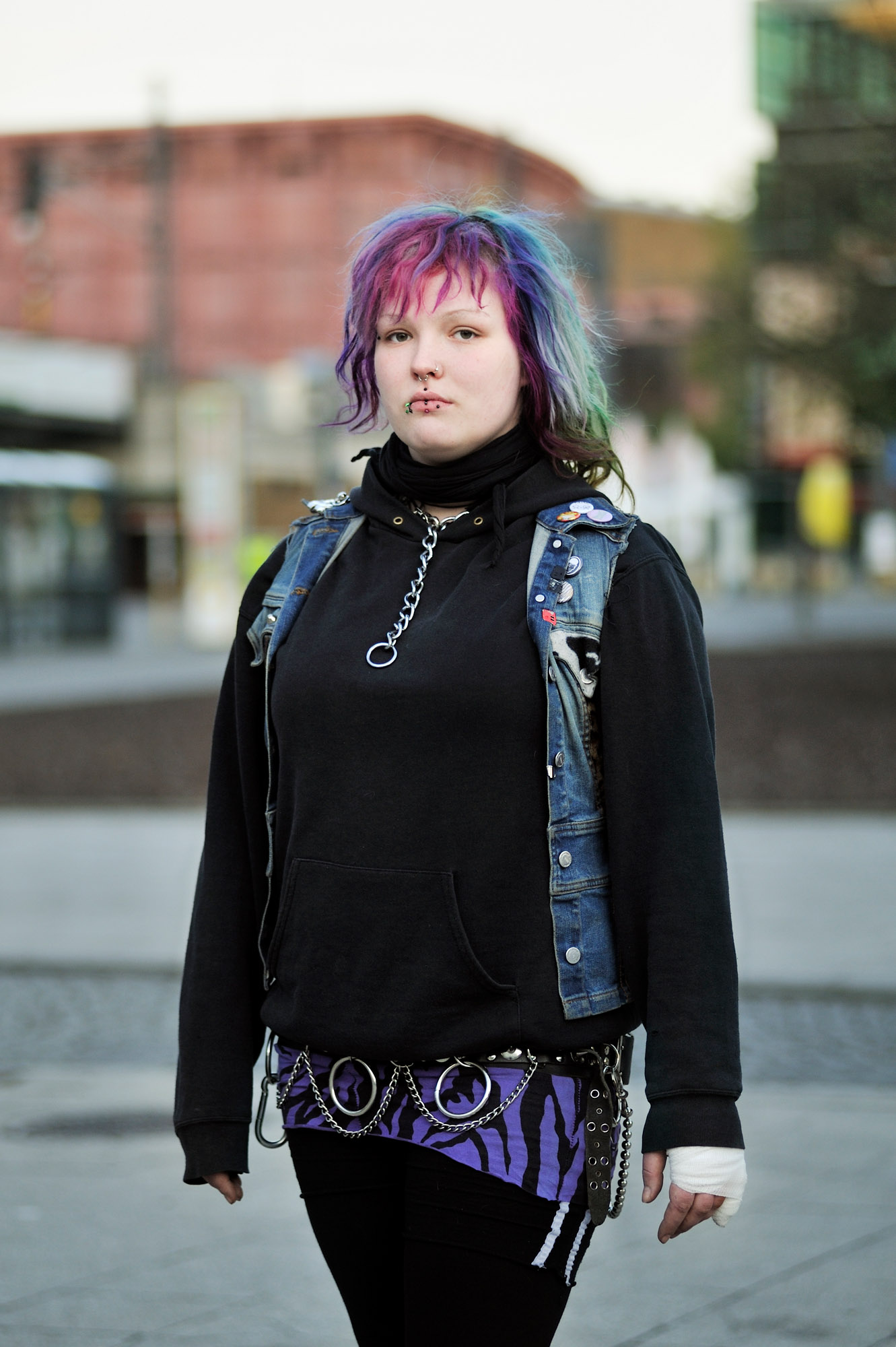
“Portraits show people, and then people look at people – as if it were that simple. People look at pictures of people: they see an idea developed by someone behind the camera, an imagination, and yet they have the feeling of being able to look from the outside into an inner world. Photography is what is clearly visible, a photographic surface of extracted reality, behind which there is physically nothing, but in which the whole world can be hidden. What remains is a portrait.
I will introduce you to the fundamentals of portrait photography: technical, content-related, and compositional. At the same time, I want to make you aware of the spaces of thought, the relationships, and the contradictions that arise from the image of a human being.
The seminar Face to Face – The Photographic Portrait is about the image of the human being: the face in its uniqueness and authenticity, in the roles its appearance plays, as part of larger circumstances, and as an expression of a particular time in a very particular place.
Photographing is a solitary activity in which you have to be fully present with yourself and with the person in front of you. In picture critiques, however, we will develop the series together. Questions of visual language, of matching form and content, and of designing image sequences will play a role. I want to encourage you to develop your own style, one that reflects your stance toward the world.”
Göran Gnaudschun studied artistic photography and fine arts with Timm Rautert at the Academy of Fine Arts Leipzig. He is interested in people and the life situations they find themselves in, whether at Berlin’s Alexanderplatz, in the no man’s land of the former inner-German border, or on the eastern outskirts of Rome. He is driven by questions of existence, of living space and lifetime.


Andrea Grützner
Weekend Seminar

“In the seminar Shapeshifting – Spaces Between Document and Imagination, we explore spaces and their different meanings, forms, and possibilities for change. What makes a space? Which personal memories, historical traces, and social ideas are inscribed in it? How can spaces become places of imagination, and what images emerge when we rethink, shift, or transform them?
Starting from your own observations, you will develop individual artistic approaches to the topic. In doing so, we move between document and interpretation, between found and imagined spaces. At the center is the question of how spatial experiences and ideas can be translated into your own pictorial spaces. How can we use the photographic medium not only to depict spaces, but to change them, reassemble them, or envision them anew?
The working methods are open and experimental. An ongoing sketchbook practice can serve as a place for collecting, thinking, and designing, and become the starting point for new work. References from spatial theory and cultural studies as well as artistic positions open up further perspectives.
The seminar is an invitation to play, experiment, and take risks. It is about leaving familiar ways of working behind and allowing the unknown. A personal visual language develops not least through failure and experimentation. The projects are accompanied and further developed in joint discussions. Exchange within the group is an important part of this.”
Andrea Grützner lives in Dresden and exhibits her work in Germany and abroad. In her artistic practice, she explores the perception of spaces. Between the familiar and the unfamiliar, reality, illusion, and abstraction, she asks how architecture and cultural spaces shape our perception and collective identity.
Annette Hauschild
Weekend Seminar
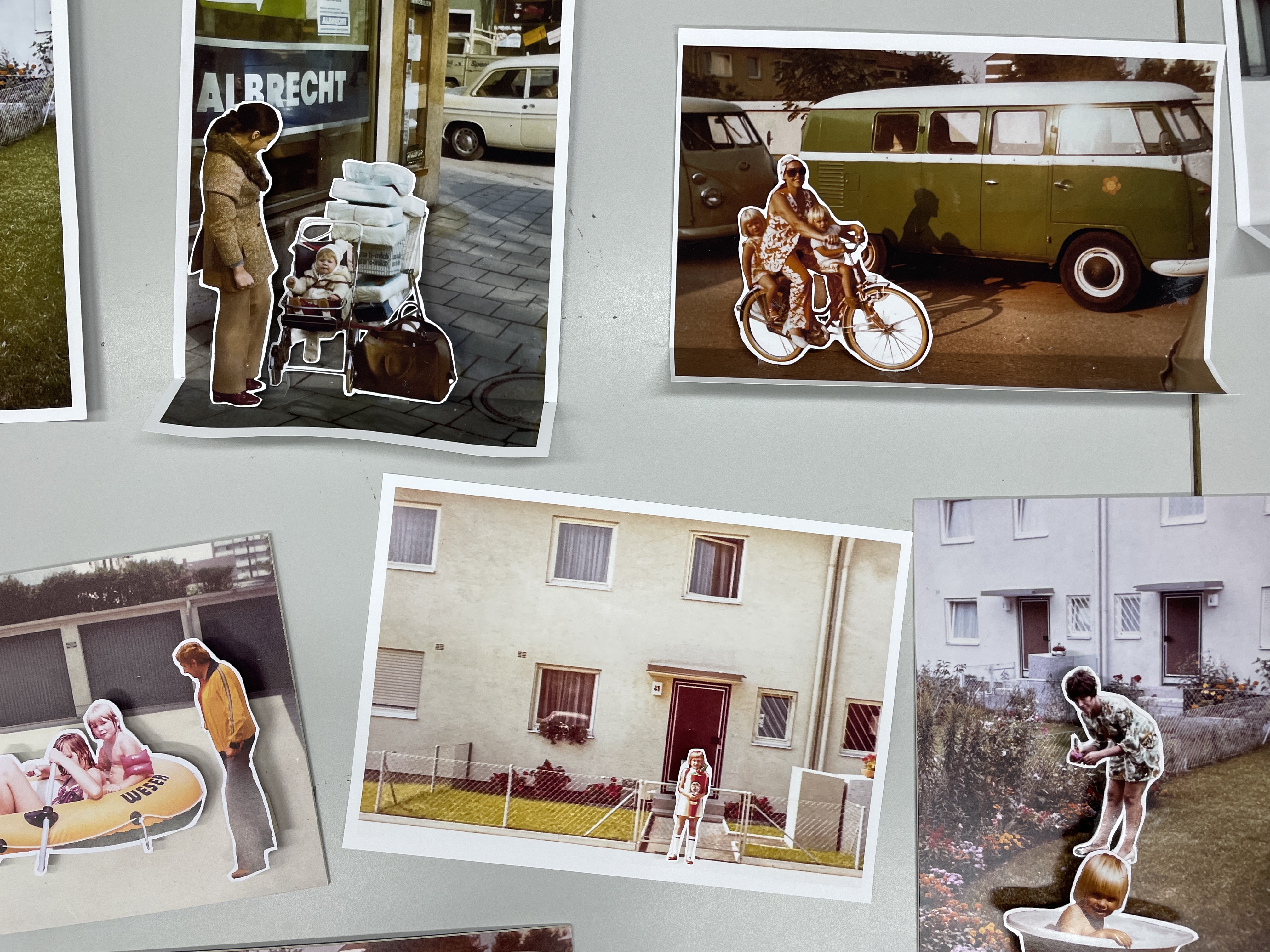
“The seminar Family Affairs is about family photos. They are often our first encounter with photography. They are beautiful or failed, posed or spontaneous, but always tied to memories and emotions. They shape our image of family and tell of what becomes visible and what remains hidden. The seminar invites you to explore family, origin, and identity through photography and offers space for self-reflection and exchange in order to develop an individual perspective. New photographic series can emerge, or existing material such as photo albums or archives can become the starting point for an artistic exploration. Together we analyze and discuss ideas, reflect on visual language and concepts, and work on research, contextualization, and different forms of presentation.”
Annette Hauschild has been photographing commissioned work and independent long-term projects for almost thirty years. She moves effortlessly between journalism and art, magazine and museum, documentation and free interpretation. She has curated several exhibitions for the Ostkreuz agency, most recently Träum weiter – Berlin, die 90er for C/O Berlin together with Boaz Levin.
Tobias Kruse
Weekend Seminar
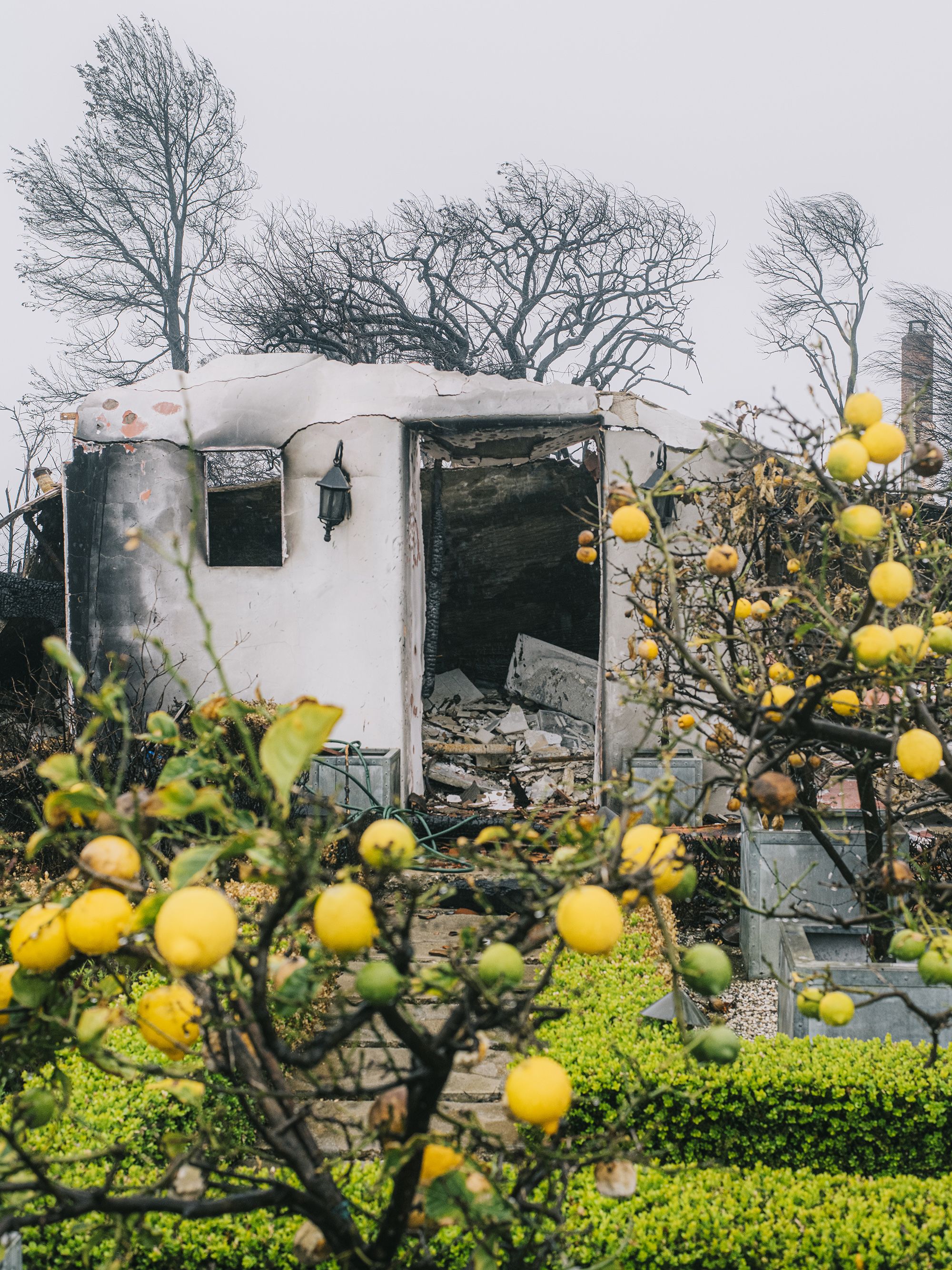
“How can our present be captured in photographs? What do images have to look like today for anyone to still pay attention? Where does documentary photography reach its limits, where does authenticity end? These are the questions at the heart of my seminar Seeing the Present – Documentary Photography and Its Limits. We meet once a month on Sundays from 10 a.m. to 6 p.m. We talk in depth about your work and about anything else on your mind. You can bring a new idea, continue a series you have already started, or join without a specific project, since ideas often only emerge in the shared process. At the beginning, we look at whether a topic is relevant and photographically interesting from different angles. In doing so, we think from the end and ask whether and how your pictures can have an impact. The focus is on exchange and on the question of where your own work stands. A joint presentation is possible but not required. Whether there will be one, we decide along the way.”
Tobias Kruse is himself one of the very first graduates of the Ostkreuzschule. He graduated with Ute Mahler in the graduation class and with Arno Fischer in the Masterclass. He has been teaching seminars and advanced classes at the Ostkreuzschule since 2017. Kruse is a member of the Ostkreuz agency, has published several books, and has shown his pictures in numerous solo and group exhibitions.
Anne Schönharting
Weekend Seminar
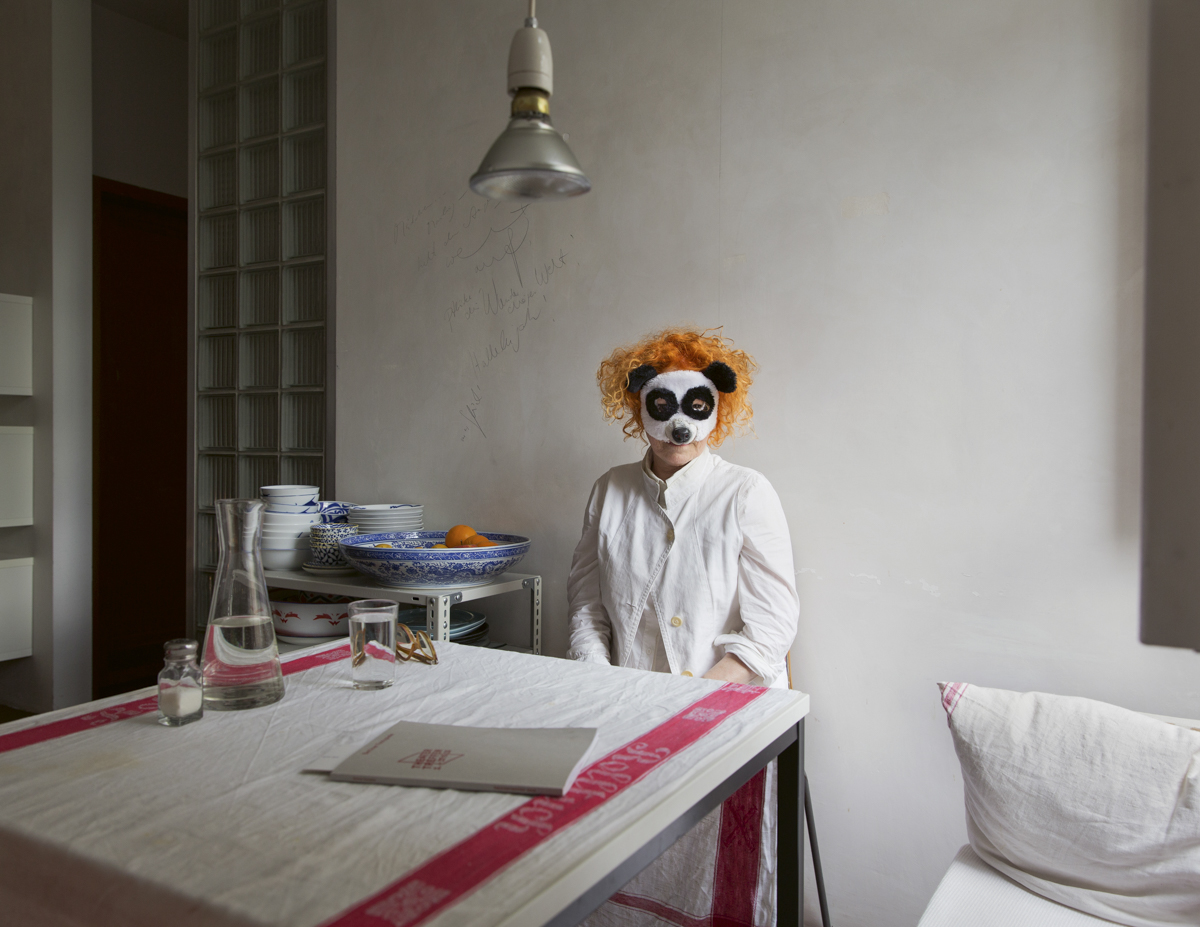
“We look at the outside world through the eye of a camera. We try to capture or stage reality, the event, the person, the object, the landscape, a feeling, etc. in snapshots. Is this a reflection of the world or does it also tell us about ourselves and our point of view?
I see photography as an entry ticket to work on and penetrate a theme of this outside world. In my seminar Independent Work, we take up the challenge together of questioning traditional historical narratives and, in doing so, of breaking down the separation between author and subject depicted, reality and the imaginary. If the specific and thorough investigations in the form of images also reveal something universally valid, that would be a wonderful result.
A central element of this one-year seminar is to awaken enthusiasm for a topic and to keep ‘thinking in images’ alive. This happens through the experience of actively working on a topic over the long term. Inspiration from the most diverse directions of photography, the visual arts, but also from literature, philosophy, sociology etc. can play a role here. Circling around an idea, penetrating, working through and changing perspectives will be practiced in image discussions as well as in individual and group discussions.
To clarify one’s own project idea, we start by working with a special form of discussion based on the dialogue principle and the intelligence of the group. The aim for the participants is to develop a new series or to continue and complete work that has already been started.”
Anne Schönharting has been a member of the Ostkreuz agency since 1999. In her work, she moves between portrait, artistic documentary photography, fashion, and social study, exploring questions of identity, origin, and social conditioning. In her books Das Erbe and Habitat, she examines how her family history is intertwined with the colonial past and how social background is reflected in private spaces.
Betty Fink
Portfolio Development
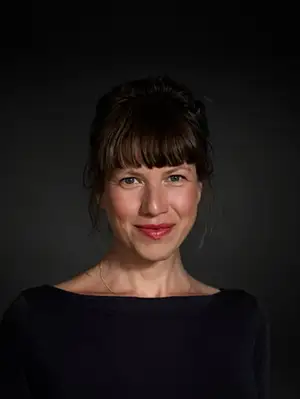
“With this seminar, I am addressing photography graduates and professional photographers who want to develop their work in a targeted way and position it strategically.
Over eight months and seven sessions, we will develop solid concepts for your website, portfolio, and client acquisition strategy – from the structure of your homepage to the professional presentation of your work. The focus is on strengthening your photographic identity, further developing your portrait photography, and topics such as client relations, fees, and usage rights. The aim is to develop a clear, distinctive visual language and to build a sustainable economic foundation for your photographic practice.”
Betty Fink works as a curator, photo editor, and consultant for photographers, drawing on many years of experience in agency and editorial work, exhibition practice, and individual consulting. She is particularly interested in the visibility, impact, and positioning of photographic work – and in how it can reach its full potential and earn good money.
Julia Baier
Weekend Seminar
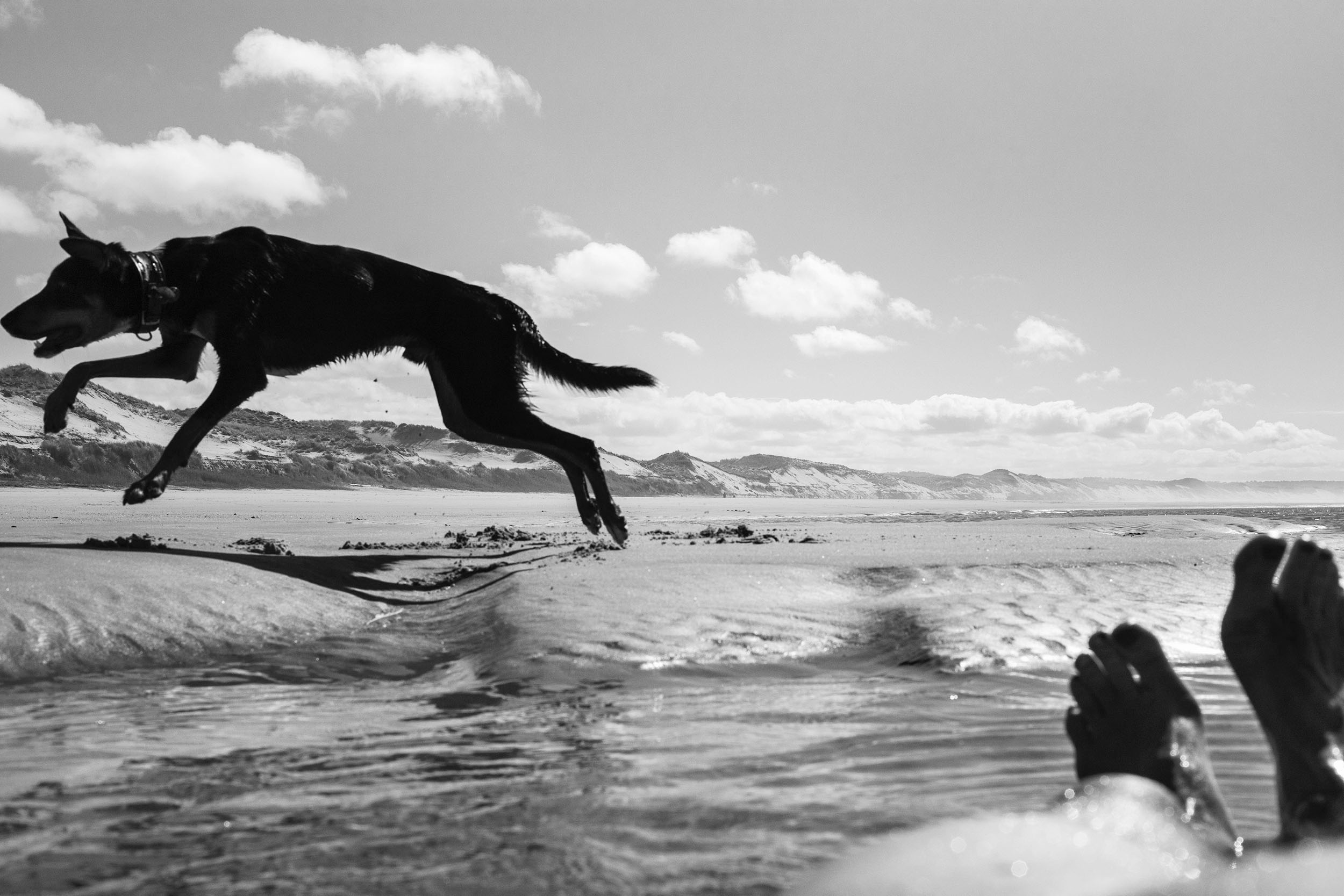
“Water is a mirror, it’s depth, projection screen, space, change – it is aesthetic, essential to life, socially relevant and highly political. We want to explore the relevance of water and your relationship to it (or that of others) through photography. What is significant about water to you? Does your work focus on personal or social themes? With the help of your pictures you can develop critical perspectives on socially controversial aspects of water. You can also create individual narratives about people by, in or on the water, or approach the topic poetically via your own story – across genres, freely and playfully. The aim is for you to find your own narrative style in the form of a photo essay. In parallel with identifying a theme, we will discuss questions of realization: What is the right narrative form? What technical means are required to convey your own idea? Examples from my own practice, as well as works by contemporary and historical photographers, will illustrate this. The focus during the seminar days will be on individual support throughout the artistic process and group discussion. The group process, which may also culminate in a collective exhibition featuring as diverse a range of perspectives as possible, is a central component of the seminar. The narrative style in my own photographic practice is fluid – ranging from documentary to experimental to abstract – and draws on various genres. It is precisely these transitions and the interplay with supposed reality that fascinate me about the versatile medium of photography.”
Julia Baier studied photography at the University of the Arts Bremen and works internationally as a photographer, artist and lecturer. For over 20 years, her artistic practice has explored the relationship between humans and water. With a keen sense of the medium’s possibilities, her narratives move between documentation and abstraction. Her visual language is characterized by precision, universality and poetry.
Ingmar Björn Nolting
Weekend Seminar
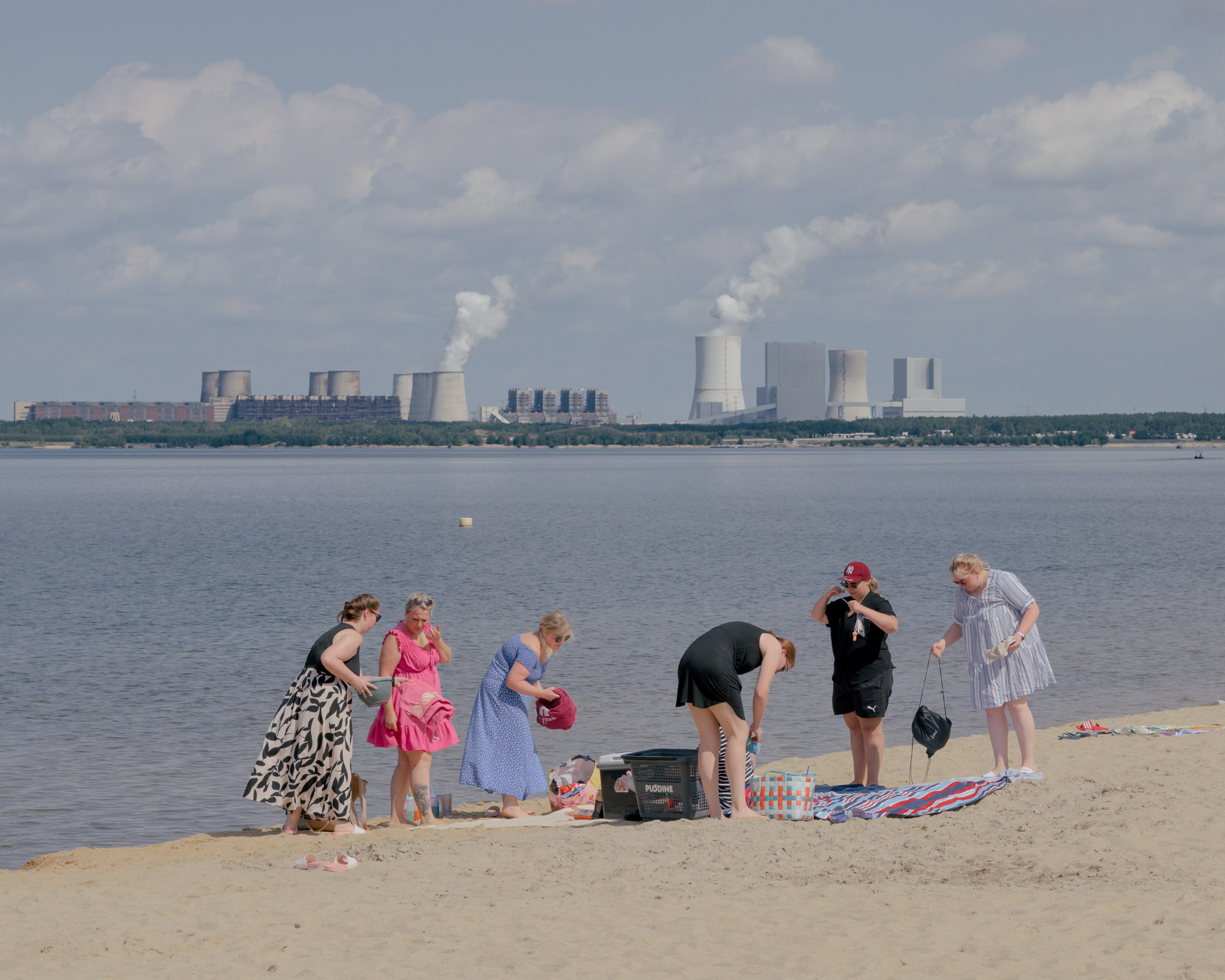
In the seminar From Here we explore our immediate surroundings as a starting point for photographic work. What is close at hand? What shapes our daily lives? Which relationships, places, and situations are part of our lives, and what do they reveal about broader social contexts?
Over an extended period, you will develop your own photographic essay that begins with the personal and extends beyond it. Family, friendships, memories, or familiar places can serve as starting points. The key question is how a broader narrative can be developed from individual experiences and observations.
The visual language and approach are open-ended. The focus is on continuous work on artistic stance and form. The projects are guided and further developed through group discussions. Exchange within the group and the mutual contextualization of the works are central components of the seminar.
In addition to practical work, we engage with photographic approaches from the past and present and discuss questions of proximity, access, and responsibility. How do we photograph what is close to us? What perspectives emerge from this, and how can they be translated into a larger form?
Independent work between seminar days is a prerequisite, as is a willingness to actively contribute to the group. The goal is an exhibition; the path to it is created together.
Ina Schoenenburg
Weekend Seminar
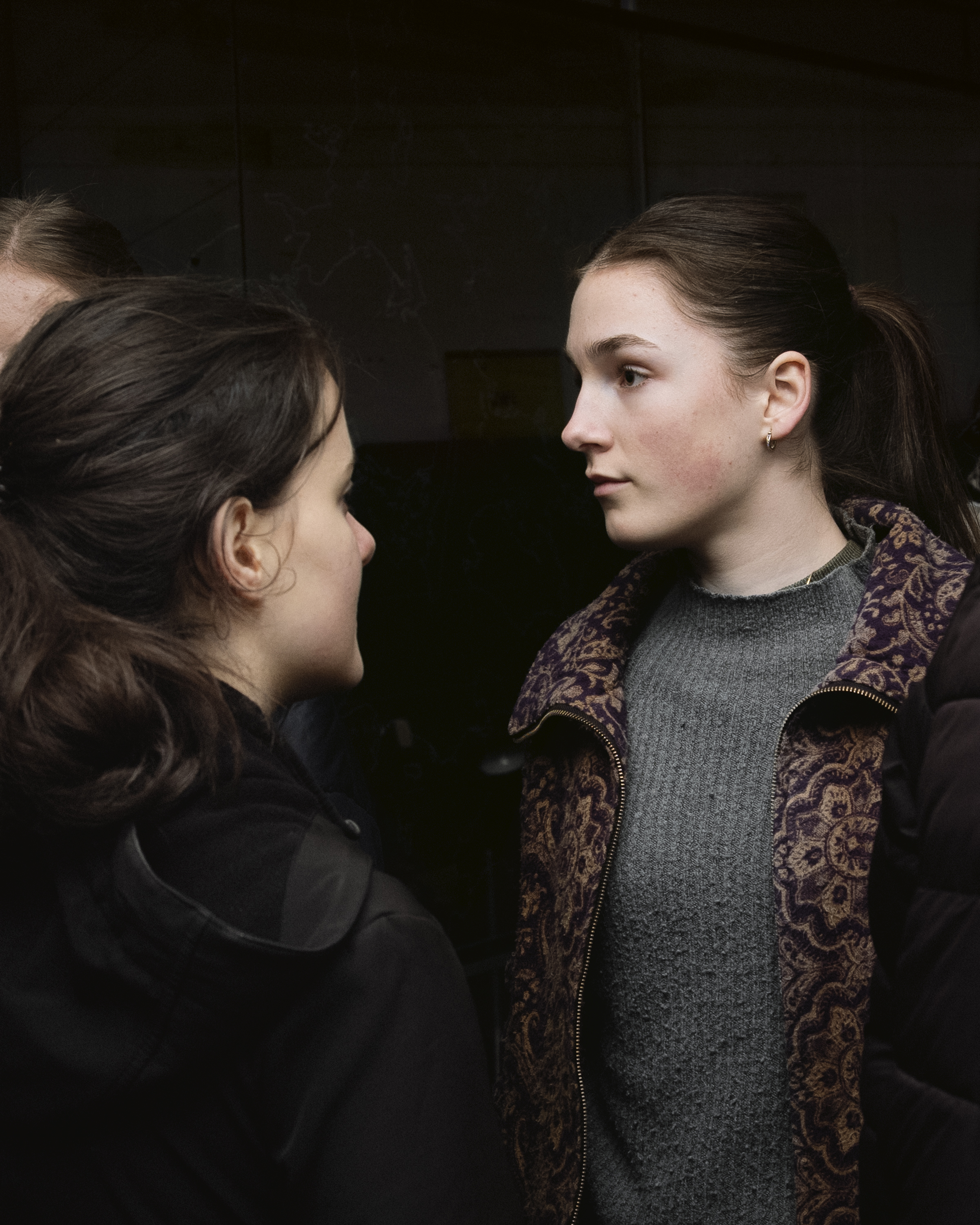
"Our weekend seminar is dedicated to the photographic portrait. We will try to progress from the external appearance to the essence of the person portrayed, always in the context of their social and personal environment. We will embark on a search for beauty in the everyday, the uniqueness of the individual. We will also look at different styles in portrait photography. Both the staged and the naturalistic portrait will play a role. Historical photographic examples from different eras will illustrate this. The knowledge acquired should enable participants to present the topic as a serial work in a possible joint exhibition. One focus of my own photographic work is man in his relationship to landscape and nature. My approach ranges from documentary observation to staging. I am interested in the conflicts of my protagonists, their interpersonal relationships and their relationship to their environment. With insights into everyday situations, I want to show intimate privacy that avoids voyeurism and respects personality."
Ina Schoenenburg studied at the Ostkreuz School of Photography from 2009 to 2012. She has been a member of the Ostkreuz Agency since 2016. In addition to her many successes as a documentary photographer, she has also been teaching the graduating classes at Ostkreuz School since 2019.
Anne Schwalbe
Weekend Seminar
"What is quietness? When do we find quietness? Where do we find quietness? In the forest? While gardening? While exercising? When we’re focused? While hiking with donkeys or all alone? Without the internet? Underwater? While working with our hands? While sleeping? In an empty room? While talking with a partner? While eating together with friends? And when peace is finally there—can we bear it? And—can peace be photographed? I look forward to exploring all of this in a workshop at the Ostkreuzschule. Portraits, landscapes, still lifes, and much more may emerge. The focus will be on the participants’ photographs and the discussion surrounding them. The goal is to develop, photograph, and complete a photographic project on a specific theme within the duration of the seminar. I believe it’s important to foster a positive atmosphere with open, constructive criticism that helps everyone grow. I look forward to mutual inspiration."
Anne Schwalbe studied at the Ostkreuzschule under Werner Mahler and Ute Mahler and is part of the first graduating class. For ZEITmagazin, she conceived and photographed the column Die Gärten der Anderen, which was published from 2018 to 2023. She has published several books featuring her series. Many people perceive a great sense of calm in her photographs. Her work has been exhibited in galleries and museums, including FOAM Amsterdam.

The application deadline for the seminars starting in spring 2027 is January 17, 2027. All your documents must have reached us by then. You apply via the application form at the bottom of this website. In addition to your personal details, we need a letter of motivation and a photographic portfolio, which you can either upload to our Dropbox in PDF format (you will also find the link below) or print out and send to us. We will get back to you within two weeks of the application deadline.
If you are not selected for the seminar you have applied for, we may offer you a place in our beginner seminar. This seminar, like the other seminars, starts in spring 2027. In a small group, we will support you in shaping your photographic style and help you develop your portfolio. You will receive further information about the beginner seminar after applying for the other seminars in February 2027.
The Weekend Seminars consist of ten full-day sessions held on a Saturday or Sunday, spread out over the course of a year. Betty Fink's seminar Portfolio Development consists of seven full-day sessions.
The dates for all seminars starting in spring 2027 will be announced here soon.
The seminars will be held mainly in German. We therefore recommend that you understand German, but you do not necessarily have to be fluent in speaking or writing it. We recommend at least level B1.
The participation fee for a Weekend Seminar is €1,390.00 (incl. 19% VAT). Ten monthly payments of €139.00 (incl. 19% VAT) are possible. If you make a one-time payment of the full amount, you will receive a 3% discount.
The participation fee for the Portfolio Development seminar is €980.00 (incl. 19% VAT).
Our teachers are nationally and internationally recognized artists of contemporary photography, some are members of the renowned Ostkreuz agency, others come from other fields. All of them are professional photographers, designers or theorists and have published worldwide in the most important magazines and journals, exhibited in major museums and galleries and been honored with prestigious awards. In the past, Mustafah Abdulaziz, Jessica Backhaus, Joakim Eskildsen, Andrea Gjestvang, Paul Hutchinson, Loredana Nemes, and Nikita Teryoshin, among others, have led workshops at the Ostkreuzschule.
Jörg Brüggemann
Photography
Foundation Class
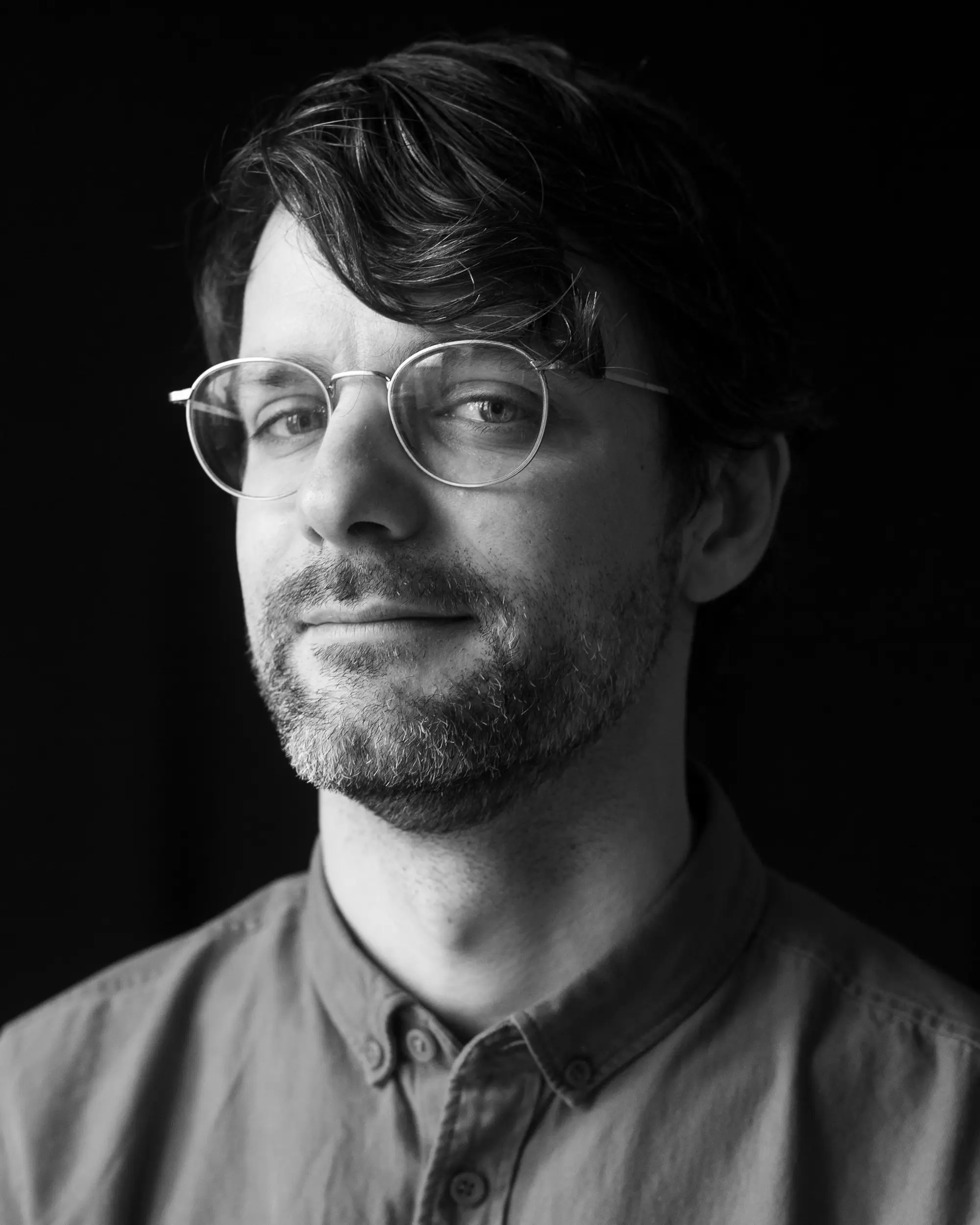
Born 1979 in Herne, he lives in Berlin. One year after completing his photography studies at the HfK Bremen under Prof. Peter Bialobrzeski in 2008, Jörg Brüggemann joined the Ostkreuz agency. He was its Co-Managing Director from 2018 to 2023. In his freelance work, for which he finds his own photographic language each time, he deals with themes such as globalization, identity and trauma. He has published several monographs, including Metalheads, Autobahn and Freundschaft together with Tobias Kruse. After participating in numerous national and international exhibitions, he had his first institutional solo exhibition at zephyr in Mannheim in 2020 with Wie lange noch? Until 2019, he worked as a magazine photographer for Zeit Magazin, Geo, Monocle and Dummy, among others. Since 2018, he has worked as a theater photographer for Schauspielhaus Bochum and Berliner Ensemble, for which he published a book on Barrie Kosky's new production of ‚The Threepenny Opera‘ with Spector Books in 2021. Since 2019, he has been a lecturer in photography at the Ostkreuzschule für Fotografie, which he has co-directed with Lia Darjes since 2023.
Katja Böhlau
History of Photography
Foundation Class
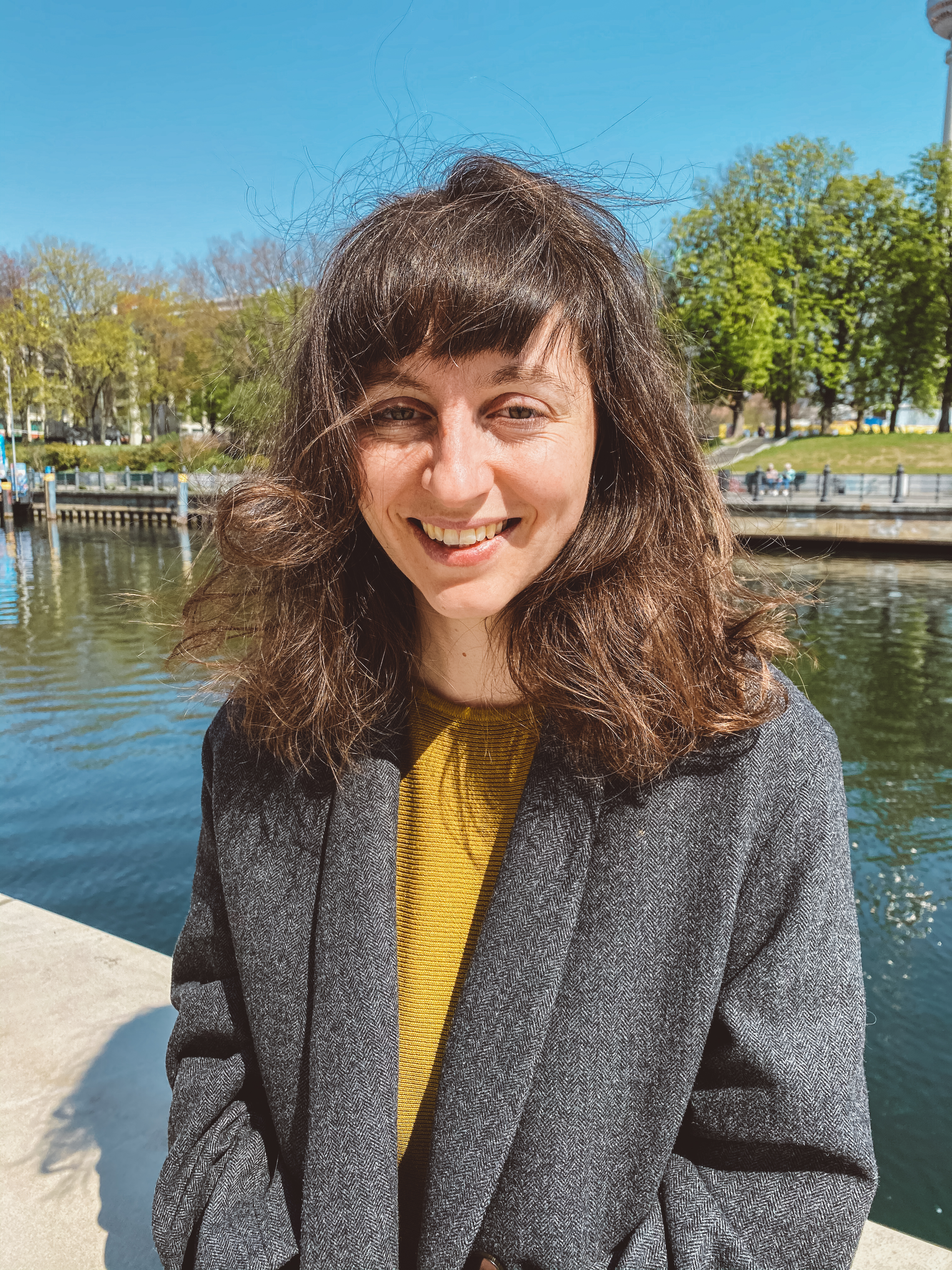
Born in 1984 in Brandenburg, she lives in Berlin. Katja Böhlau is an art historian specializing in the history and theory of photography and art education. She studied art history and theater studies at the Free University of Berlin and the University of Vienna. After working on independent projects in theater and exhibitions and holding a position at the private photography collection Collection Regard, she began her doctoral research in 2016 on the topic of masculinities in fashion photography in the GDR. From 2016 to 2020, she was a fellow at the DFG Research Training Group The Photographic Dispositif at the Braunschweig University of Art. There, in 2019, she realized the international exhibition project Filters and Frames. Developing meaning in photography together with Elisabeth Pichler. Starting in 2021, she was an intern at the Museum of Photography in the Photography Collection of the Art Library of the State Museums of Berlin, where she has been a research assistant since 2023. She works as a curator and in the field of education and outreach. She has been teaching the history of photography at the Ostkreuzschule since 2026.
Juliane Eirich
Photo & Studio Technology
Foundation Class
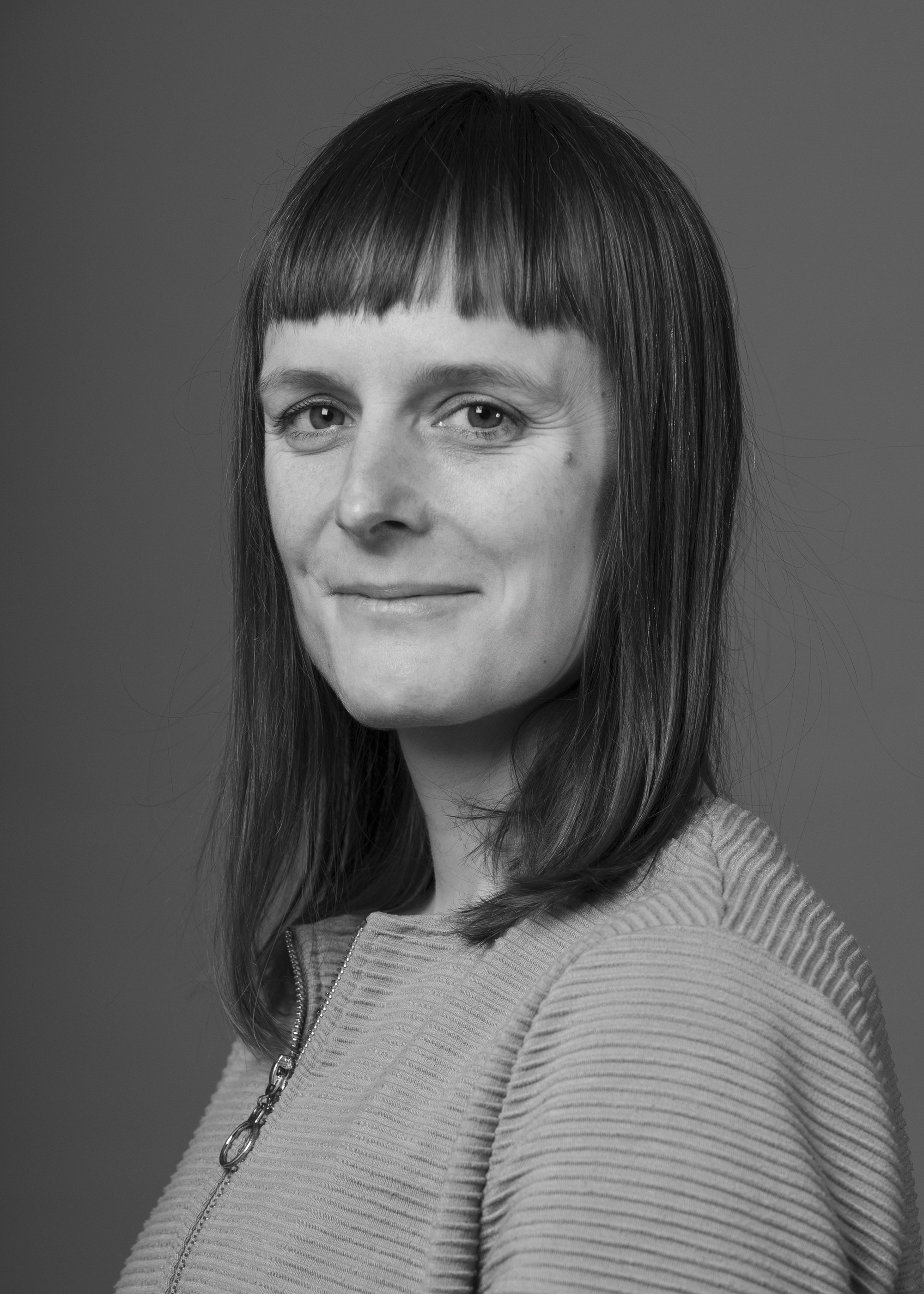
Born in Munich in 1979, lives in Berlin. After graduating from high school, Juliane Eirich completed two photography internships in Miami and Munich. From 2000 to 2003 she studied at the Staatliche Fachakademie für Fotodesign in Munich. She then worked on her own projects in New York and Honolulu. With a DAAD scholarship, she spent 18 months in Seoul from 2007 to 2008 studying visual communication at Hong-Ik University. In 2011 she was Artist in Residence at Studio Kura in Itoshima, Japan. Her first monograph Itoshima was published by Peperoni Books in 2013. Further residencies took her to the Nordic Artists Center in Dale, Norway, in 2014 and 2018. In 2022, as part of a residency in Iași, Romania, she created the Mega Images project, which was published as a book in the same year. Her work has been exhibited internationally and appeared in publications such as the New York Times, ZEIT Magazin, Süddeutsche Zeitung and Le Monde. She has taught workshops with students in Germany, Japan, Tunisia and Romania and with young refugees for C/O Berlin.
Lia Darjes
Photography
Foundation Class
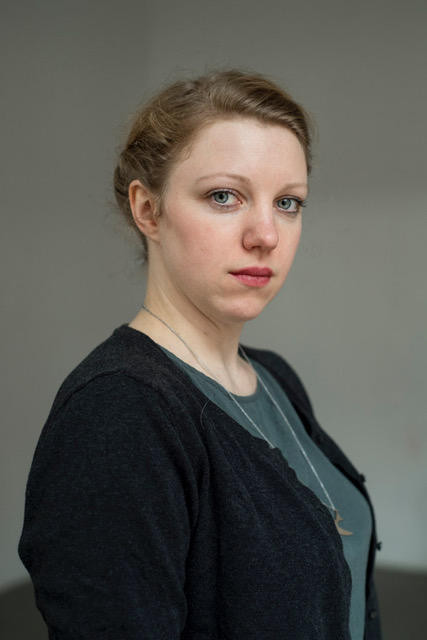
Born 1984 in Berlin, she lives in Hamburg. Lia Darjes studied photography at the HAW Hamburg under Prof. Ute Mahler. From 2012 to 2017 she was a member of the Parisian photo agency Picturetank. During this time, she worked mainly as a photojournalist on assignments and on freelance documentary projects. She often focused on the media representation of Muslim people and the attempt to break down the established stereotypes associated with this. At the same time, Lia Darjes assisted in the archive of the late photographer Ludwig Schirmer, who had become known as an advertising photographer in the GDR. From 2016 to 2018, she took part in the masterclass of Prof. Ute Mahler and Ingo Taubhorn at the Ostkreuzschule as a tutor. The resulting work Tempora Morte, which she published in book form in 2018, became well known. She is represented by Galerie Robert Morat in Berlin. She has been working as a lecturer since 2018 and has been running the Ostkreuzschule together with Jörg Brüggemann since 2023.
Sibylle Fendt
Photography
Orientation & Graduation Class
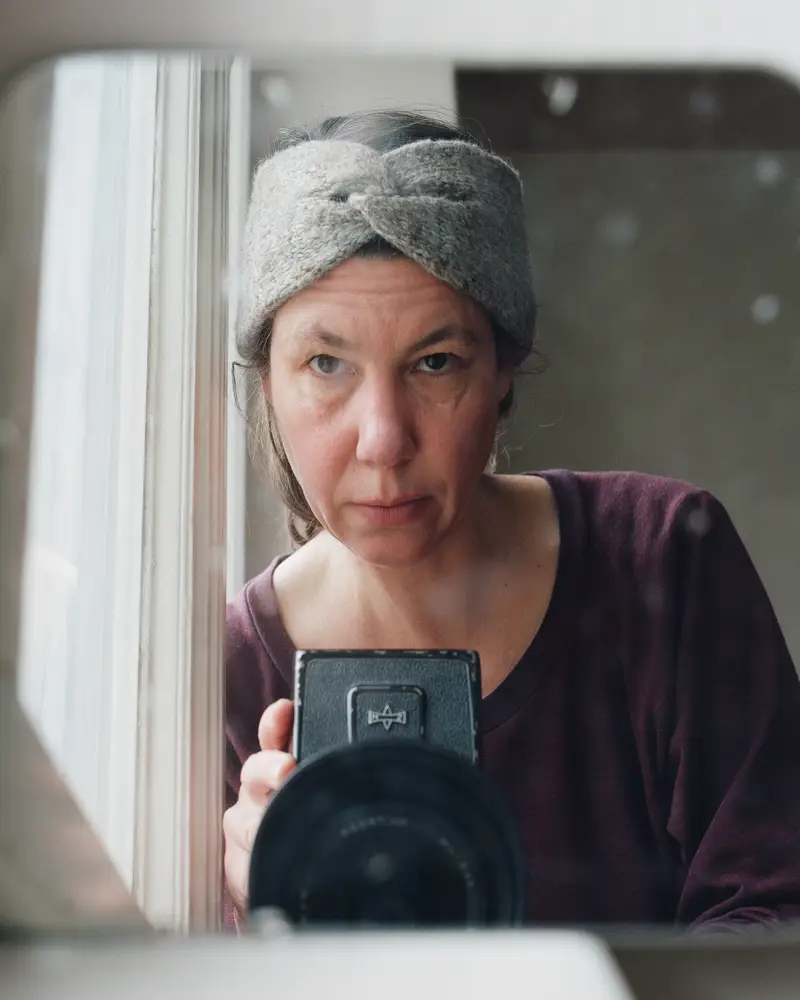
Born 1974 in Karlsruhe, she lives in Berlin. Sibylle Fendt received her degree in photography at Bielefeld University of Applied Sciences in 2002. She has won numerous national and international awards for her graduation project Uneins. In 2003 she was part of the World Press Photo Masterclass. From 2003 to 2005, she was a guest student in Wolfgang Tillmans' class at the Freie Kunstakademie Frankfurt. She has been a member of the Ostkreuz agency since 2010 and its managing director since 2023. Sibylle Fendt photographs for magazines, teaches photography at several universities and works continuously on independent long-term projects that are exhibited nationally and internationally and are published. Her themes are social exclusion, gender studies, psychological, social and health crises as well as ordinary life. The portrait is at the center of her work. She has been teaching at the Ostkreuzschule since 2008.
Cale Garrido
Exhibiting & Curating
Orientation & Graduation Class
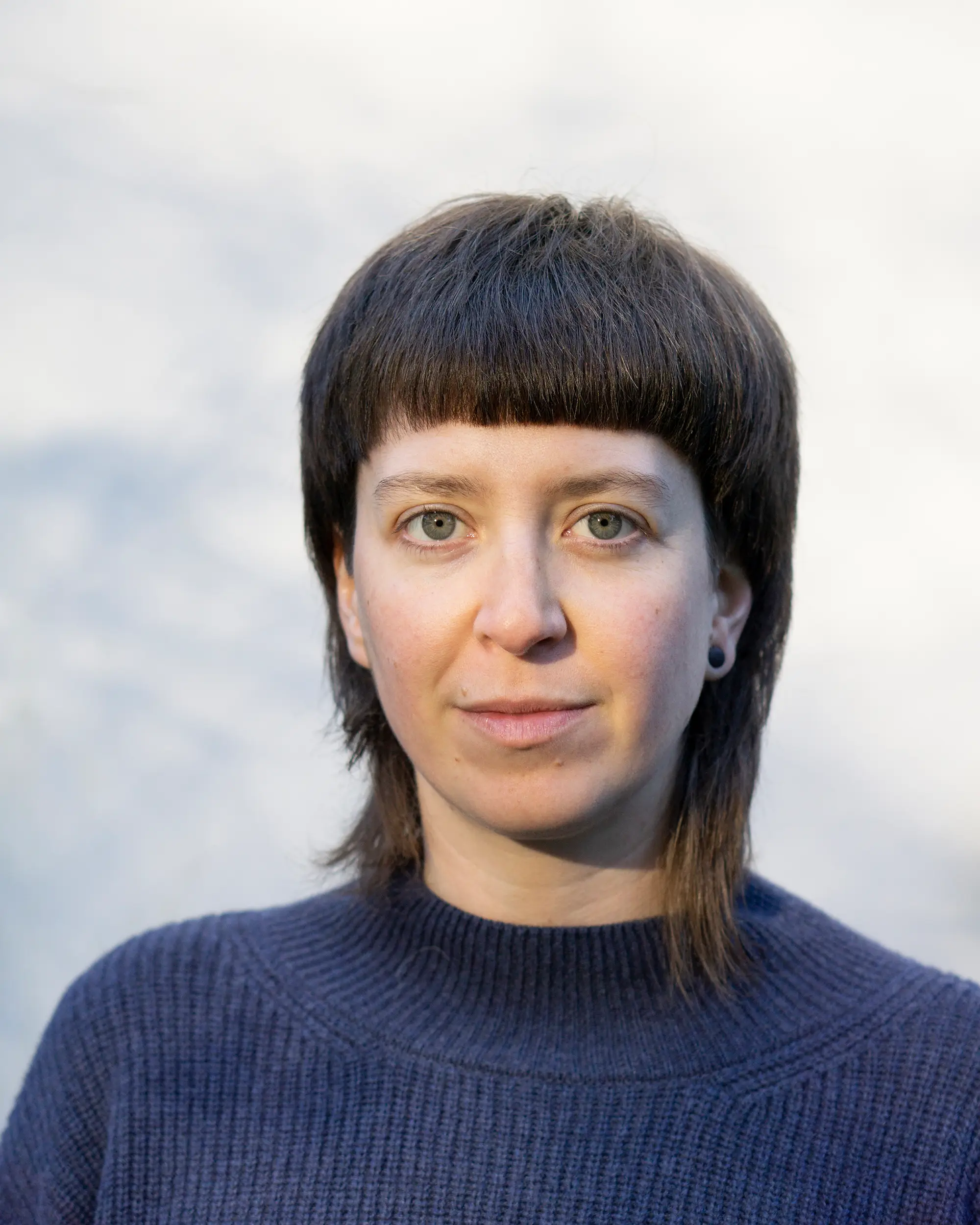
Born 1990 in Spain, she lives in Hamburg. Cale Garrido is a freelance curator, author and photo editor. She specializes in contemporary photography with a focus on socio-political and environmental issues. She works internationally on exhibitions and publications. From 2016 to 2020 she worked as a photo editor at Greenpeace Media. As a curator, she has organized exhibitions in museums, galleries and festivals, including 2019's Die Anderen sind Wir. Images of a Dissonant Society at the Brandenburg State Museum of Modern Art in Cottbus, 2019 Urgent Arts of Living at the Kaunas Photography Gallery and 2021 Joan Fontcuberta: Crisis of History as part of the 12th Biennale dell'immagine di Chiasso. She was co-curator of the Triennale der Photographie Hamburg 2022 and the RAW Photo Triennale Worpswede 2023. Garrido is the editor of several photo books, most recently Women's Workshop. In addition to the Ostkreuzschule, she also teaches at the Hannover University of Applied Sciences and Arts.
Göran Gnaudschun
Photography
Orientation & Graduation Class
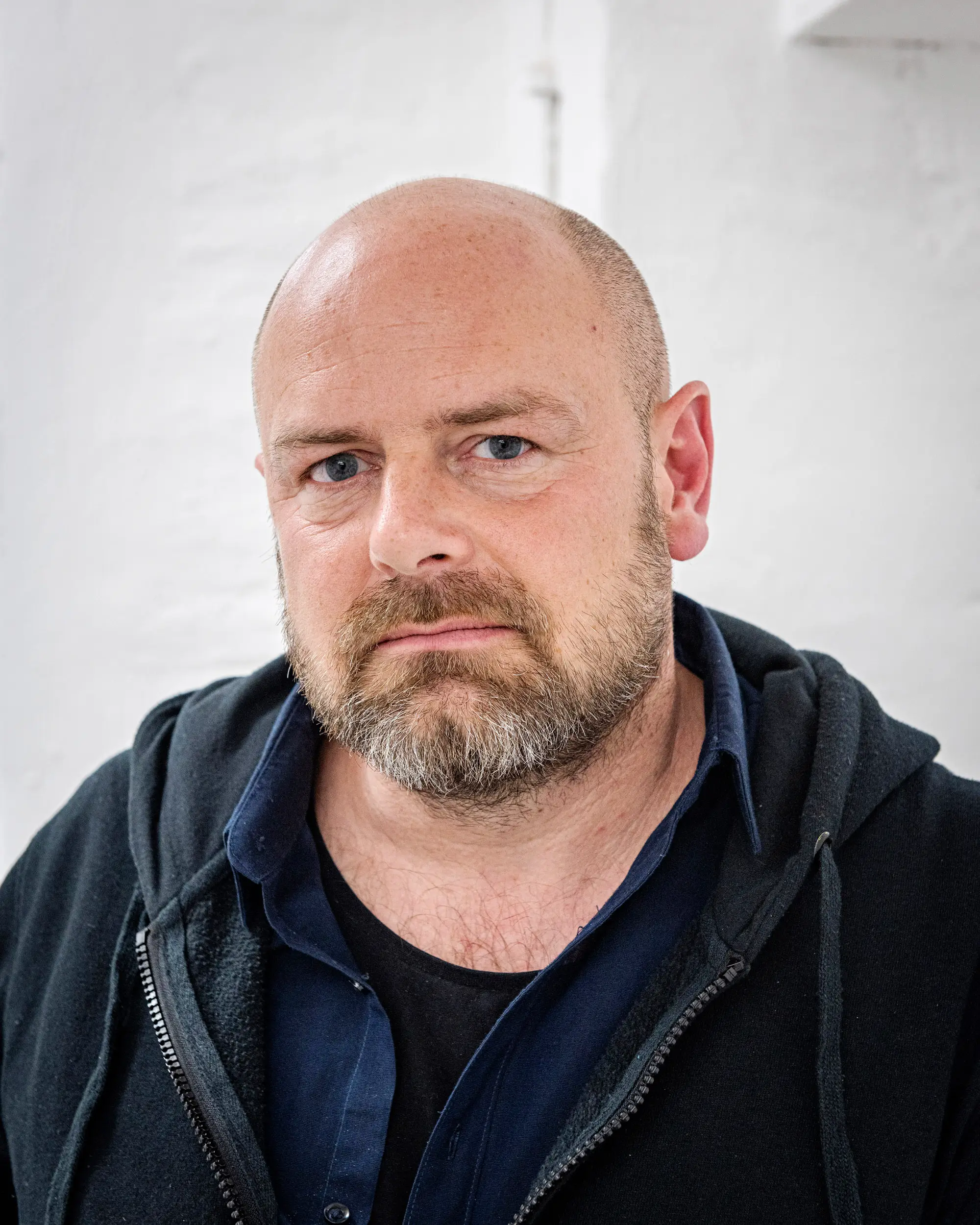
Born 1971 in Potsdam, he lives in Potsdam. Göran Gnaudschun studied fine art photography under Professor Timm Rautert at the Academy of Visual Arts Leipzig from 1994 to 2003 and then studied fine art as his master student. In 2016/17, he received a scholarship from the German Academy Villa Massimo in Rome and was awarded the Brandenburg Art Prize in 2018. He received the HannoverShots scholarship from the Hannover Foundation in 2015, the kunstfonds working scholarship in 2013 and the Lotto Brandenburg Art Prize for Photography in 2012. He has had solo exhibitions at venues including the Haus am Kleistpark in Berlin, the Villa Massimo Gallery in Rome and the Stadtmuseum München. His book Alexanderplatz, about young people who have fallen out of society, attracted a great deal of attention in 2014. He is represented by Galerie Poll in Berlin and has been teaching at the Ostkreuzschule since 2018.
Thomas Gust
Photobook
Orientation & Graduation Class

Born 1972 in Bautzen, he lives in Berlin. Thomas Gust studied stage design at the Kunsthochschule Berlin-Weißensee and has been working as publishing director and designer for the photo book publisher Buchkunst Berlin since 2018. Since 2021, he has managed the gallery and agency of the same name together with Ana Druga. He has given guest lectures and workshops at the Berlin University of the Arts, the International Center of Photography in New York, Anglia Ruskin University in Cambridge, the Deichtorhallen Hamburg and many other photographic institutions. Thomas Gust is a member of the DGPh and the German Photographic Academy. He has been teaching at the Ostkreuzschule since 2017.
Heinrich Holtgreve
Digital Consultation
Graduation Class

Born in 1987 in Bochum, he lives in Hamburg and Berlin. Heinrich Holtgreve completed his photography degree at the University of Applied Sciences in Bielefeld in 2013. He has been a member of the Ostkreuz agency since 2016. His long-term project Das Internet als Ort has been exhibited at venues such as the Deichtorhallen Hamburg, the Deutsches Technikmuseum as part of the permanent exhibition Das Netz and at the Photo21 festival in Melbourne. He is publishing the current chapter of the project in collaboration with Moritz Metz in the form of the podcast Internet Explorers. In addition to commissioned work for media such as Die Zeit, GEO, SZ Magazin and The Guardian, he works for clients in the cultural sector such as Urbane Künste Ruhr and Kunstmuseum Bochum. Since the beginning of 2023, he has been leading workshops on 'AI and photography'. After teaching at the HAW Hamburg, FH Bielefeld and the HfK Bremen, he has been a lecturer and workshop leader at the Ostkreuzschule since 2021.
Hannes Jung
Photography
Advanced Class
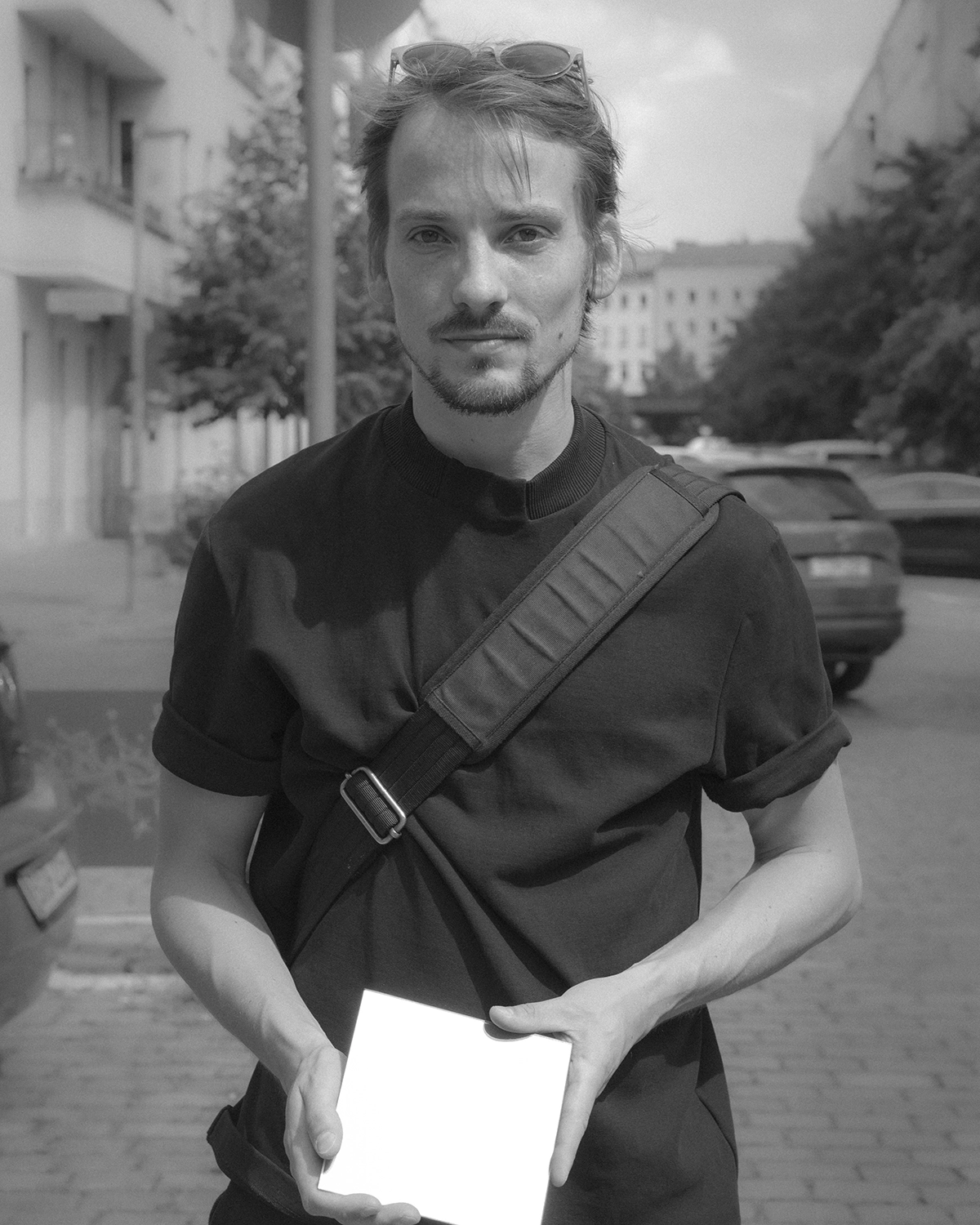
Born in Bremen in 1986, he lives and works in Berlin. Hannes Jung studied photography in Munich, Valencia and Hanover. His work moves between journalistic assignments and artistic projects, combining documentary elements with personal narratives and symbolic imagery. A central theme of his work is how memory, trauma and political structures shape the lives of individuals and entire communities. His photographs have received numerous awards, including the Lotto Brandenburg Art Prize and the Otto Steinert Prize. His clients include publications such as The Atlantic, the Financial Times, Der Spiegel and Zeit Magazin. His work is regularly shown in exhibitions and at festivals throughout Europe. From 2021 to 2023 he taught photography at HTW Berlin, and he has been a lecturer at the Ostkreuzschule since 2026.
Dr. Enno Kaufhold
History of Photography
Foundation & Advanced Class

Born in Wildeshausen in 1944 and raised in Dötlingen, he has lived in Berlin since 1990. After completing his high school diploma through adult education, he studied art history and sociology from 1971 and, from 1975, also the history of photography at the University of Hamburg, where he received his doctorate in 1984. As a photographer, he is self-taught. Since completing his studies, he has worked freelance as a photo historian, photographer, writer and curator. His publications, mostly on photography, comprise more than 500 contributions to a wide range of books, catalogs and periodicals. He has published books on Heinrich Zille, Martin Munkácsi, Christian Schad, Willy Römer and the Bielefeld School, among others, as well as a book of his own photographs of St. Pauli. He has curated exhibitions throughout Europe. From 1997, he taught at HTW Berlin, the Volkshochschule Kreuzberg and Bielefeld University of Applied Sciences. He has taught the history of photography at the Ostkreuzschule since it was founded in 2005. To this day, he prefers to photograph on the street.
Tobias Kruse
Photography
Advanced Class
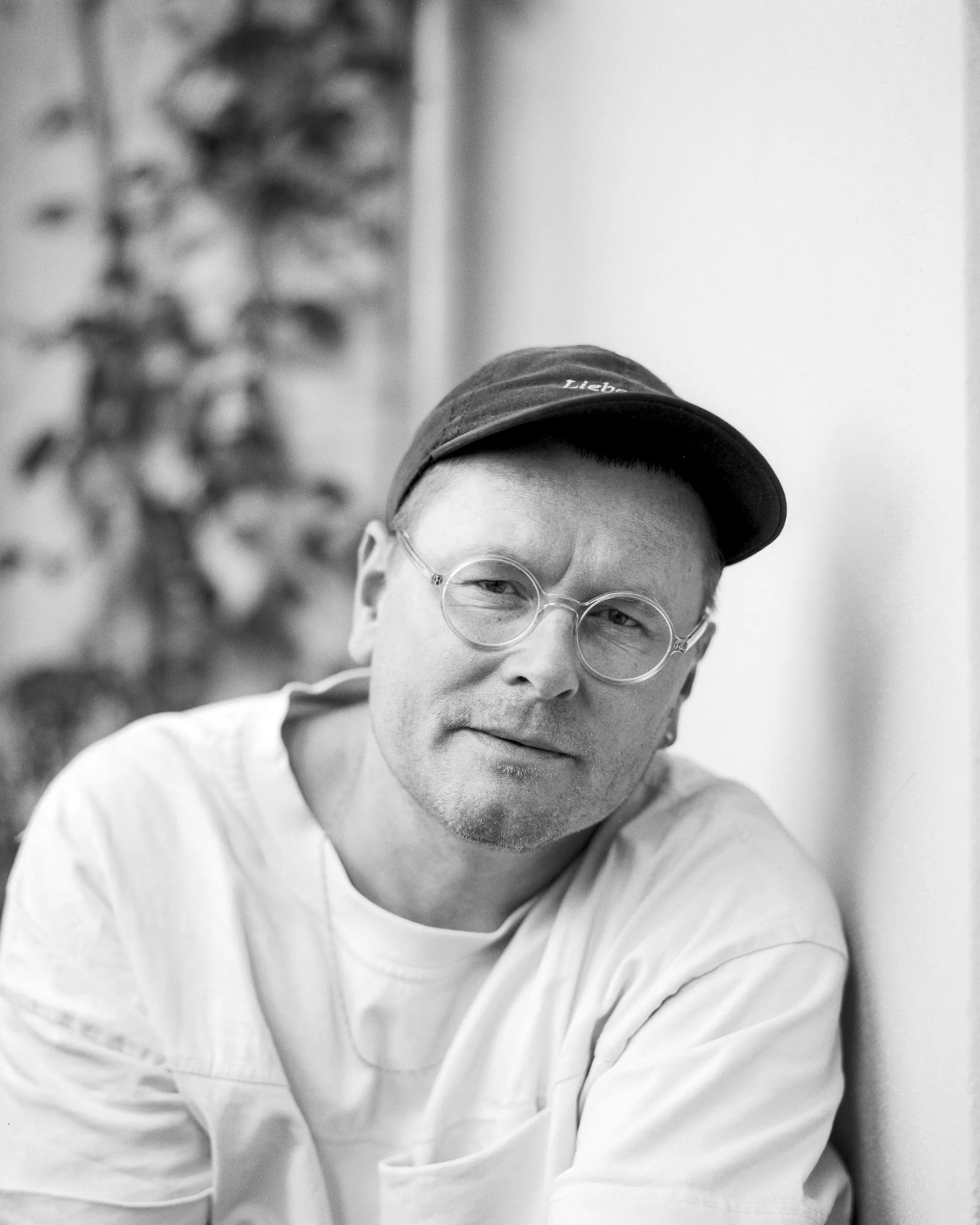
Born in Waren in 1979, he grew up in Schwerin and has been living in Berlin since 2000. Tobias Kruse initially worked as a graphic designer before studying with Prof. Ute Mahler, Werner Mahler and in Prof. Arno Fischer's master class at the Ostkreuzschule. He has been a member of the Ostkreuz agency since 2011. In his photography, he addresses the major social issues of our time with an explosive and poetic visual language. He has published several books, including Material, Freundschaft (together with Jörg Brüggemann) and Deponie. His pictures have been published in media such as Zeit Magazin, Der Spiegel, Libération and the Financial Times and have been exhibited nationally and internationally, including at FOAM Amsterdam, the Akademie der Künste Berlin, the Deichtorhallen Hamburg, C/O Berlin and the Museum of Modern Art Tokyo. Kruse has received numerous awards, including the 2023 Art Prize for Photography from Lotto Brandenburg and the German Photo Book Prize in Gold. He works for selected clients, but mainly on freelance projects. Tobias Kruse has been teaching at the Ostkreuzschule since 2017.
Maren Lübbke-Tidow
Exhibiting & Curating
Orientation & Graduation Class
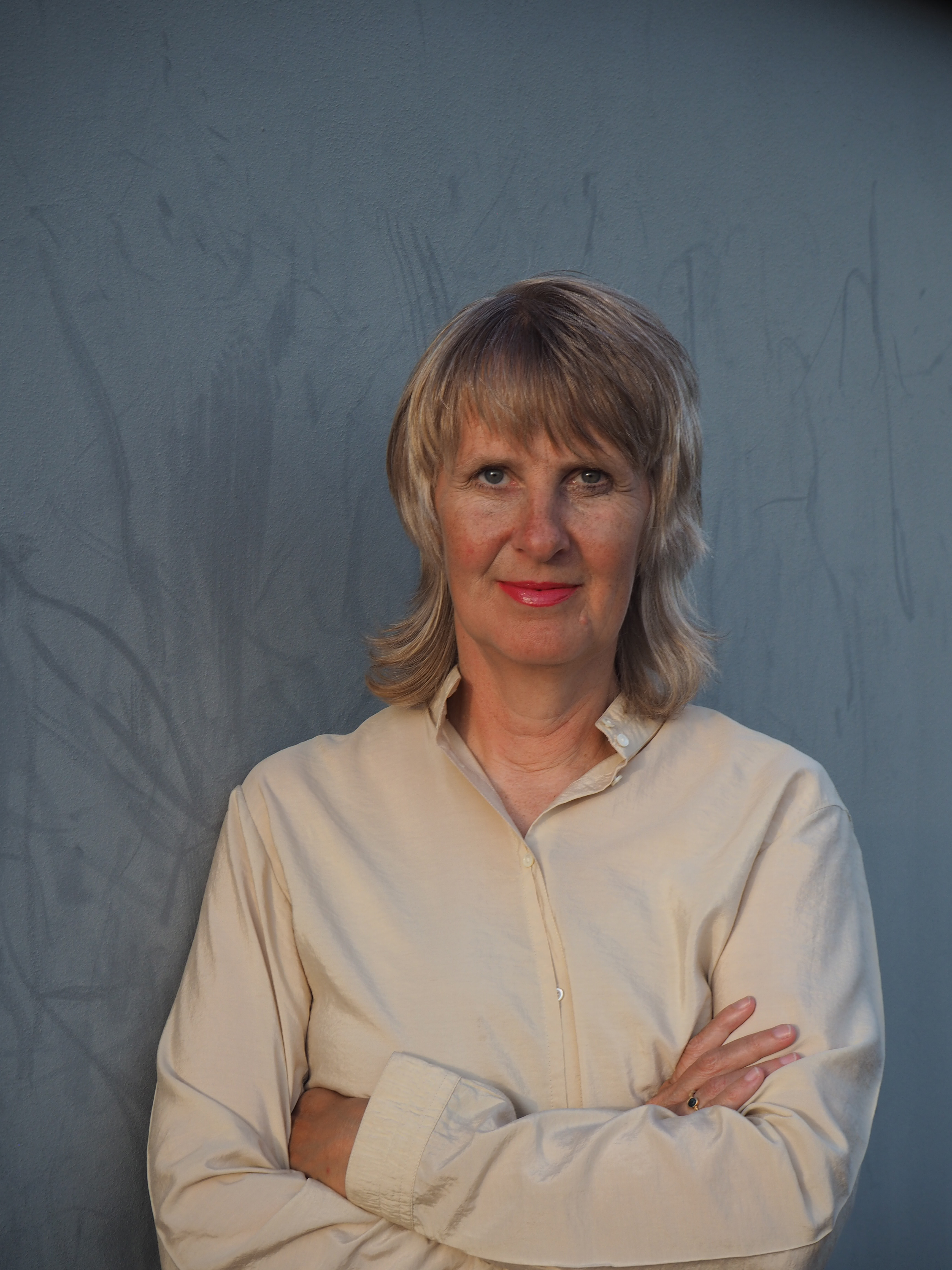
Born 1968 in Düsseldorf, lives in Berlin. Maren Lübbke-Tidow is an art historian and political scientist and works as a freelance author, critic and curator. Her main focus is on contemporary photography and its manifestations in the visual arts. Her texts appear in magazines, catalogs and artist monographs. Together with Rebecca Wilton, she has been running the interview project Lighting the Archive on forms of archiving the photographic since 2020. Since 2021, as Artistic Director, she has been responsible for the program content of the biennial photo festival European Month of Photography in Berlin, EMOP Berlin. From 1997 to 2016, she was closely associated with the Camera Austria project as editor and curator, and from 2011 to 2014 as editor-in-chief of the magazine Camera Austria International. In addition to her extensive exhibition activities, she has taught at various universities and art academies over the past ten years.
Sebastian Lange
Photo Lab & Studio
Foundation & Advanced Class

Born in 1973 in Lemgo, he grew up in Aschaffenburg and lives in Berlin. In the mid-1990s, Sebastian Lange first studied biology at the Gutenberg University in Mainz and later art history and philosophy at the Goethe University and the Museum of Modern Art in Frankfurt. Between 2002 and 2005, he trained as a photographer at the Schule am Schiffbauerdamm in Berlin, where he graduated under Professor Arno Fischer. Since founding the Ostkreuzschule in 2005, he has been a lecturer for photographic technology. Since 2015, he has also been a lecturer at the Burg Giebichenstein University of Art and Design in Halle.
Philipp Plum
Digital Lab
Advanced Class

Born in Aachen in 1984, he lives in Berlin. Philipp Plum got to know photography through the theater, initially in Asia and America, and from 2005 in Berlin at the Neukölln Opera. He completed his photography studies at the Ostkreuzschule in 2012. His graduation project Berlin Bouncer was honored at C/O Berlin in 2013. Plum was co-founder and for five years co-editor of the online magazine Emerge, which was nominated for the Grimme Online Award in 2011 for its commitment to young documentary photography. He works as a freelance photographer for various scientific and cultural organizations. His long-standing clients include the Fraunhofer Institute, FOKUS, the touring New Globe Theatre and the Humboldt University of Berlin. He has been teaching all aspects of digital workflow and fine art printing at the Ostkreuzschule since 2017.
Ludwig Rauch
Photography
Orientation & Graduation Class

Born in Leipzig in 1960, he lives in Berlin. One year after completing his degree in photojournalism at the KMU in Leipzig, Ludwig Rauch was banned in 1985 from publishing in all journalistic media in the GDR. From 1986, he studied at the Academy of Visual Arts in Leipzig under Professor Arno Fischer. In January 1989, he left the GDR and moved to West Berlin. After the fall of the Berlin Wall, he founded the art magazine neue bildende kunst together with Matthias Flügge and Michael Freitag. His pictures are parallel universes that are sometimes heavy and sometimes weightless and always multidimensional and sensual. His paintings have been shown in national and international exhibitions since 1989. Extensive solo exhibitions were shown at the Brandenburg State Museum of Modern Art in Cottbus in 2014, the Lyonel Feininger Museum in Quedlinburg in 2015, the Museum of Fine Arts in Leipzig in 2023 and again at the BLMK Cottbus in 2024. His works are represented in numerous collections. He is a member of the DGPh and has been teaching at the Ostkreuzschule since 2009.
Irina Ruppert
Photography
Orientation & Graduation Class

Born in 1968 in Aktjubinsk, Kazakhstan, she has lived in Hamburg since the age of seven. In 2002, Irina Ruppert completed her photography studies with Prof. Ute Mahler at the HAW Hamburg. Her work is based on intensive research into the image of the human being, identity and the representation of traces. They have been honored and exhibited nationally and internationally, including at the State Art Gallery in Russe, the Arles Photo Festival and the House of Photography in Hamburg. Her works are represented in the Altenburg Auction House, the Forum for Photography, the Kominek Gallery in Berlin and in the collection of the ZF Art Foundation. Both the photo book Rodina, for which she photographed in Russia and Eastern Europe, and the photographic works Cortorar Gypsies about Roma in Romania and Erz.7139 about seasonal workers in Rhineland-Palatinate have received several awards. Irina Ruppert is a lecturer in photography at HAW Hamburg and since 2022 also at Ostkreuzschule.
Ina Schoenenburg
Photography
Orientation & Graduation Class
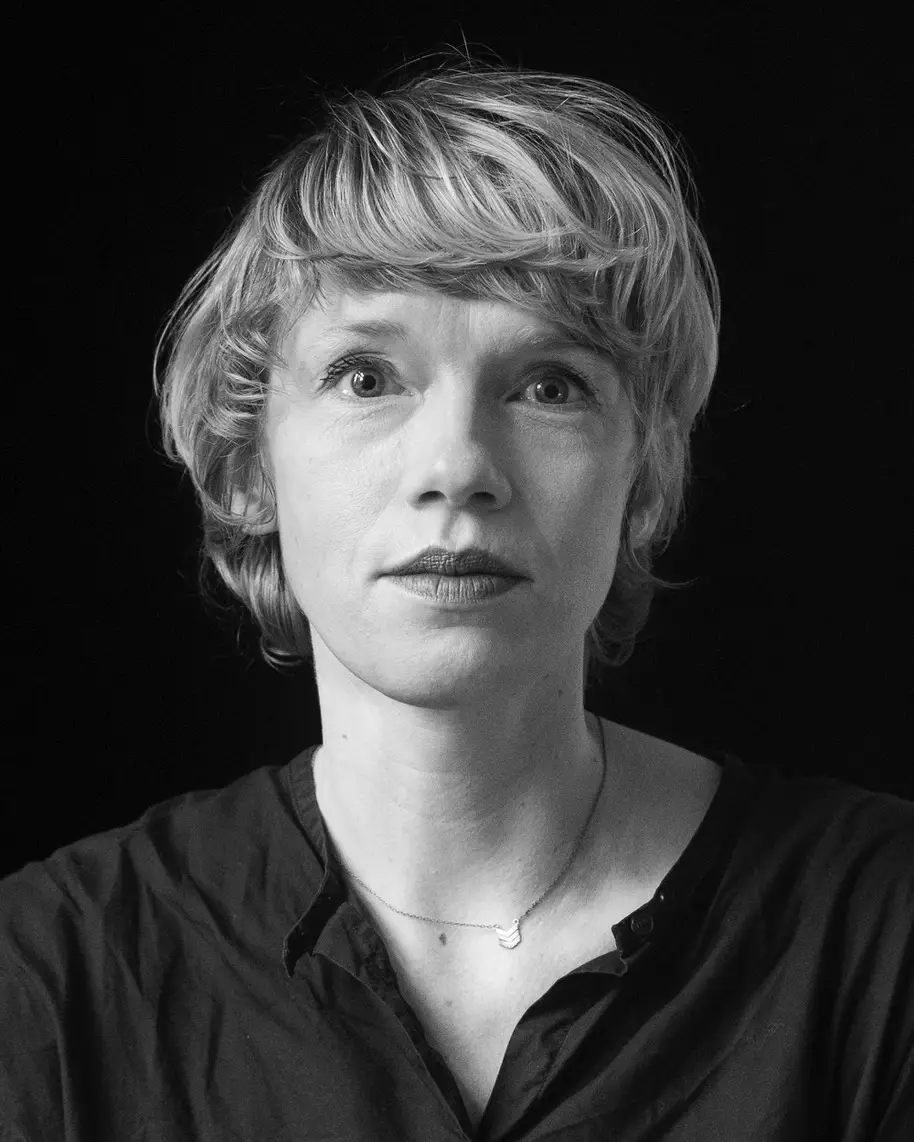
Born in East Berlin in 1979, lives in Berlin with her daughter. Ina Schoenenburg completed her photography studies at the Ostkreuzschule in 2012. From 2013 to 2017 she was part of the photographers' collective and exhibition space exp12 in Berlin. She has been a member of the Ostkreuz agency since 2016. Her photographic language ranges from documentary observation to staging. She is interested in the conflicts of her protagonists, their interpersonal relationships and their relationship to their environment and themselves. For her long-term project Blickwechsel, Ina Schoenenburg won the Prix Exchange Boutographies / Fotoleggendo in 2016, the Otto Steinert Prize of the DGPh in 2017 and the Vonovia Award for Photography. Her work has appeared in numerous magazines such as Zeit Magazin, Geo and Stern and has been exhibited in France, Italy, Luxembourg, Poland and Switzerland, among others. She has been teaching at the Ostkreuzschule since 2019.
Maria Sewcz
Photography
Advanced Class
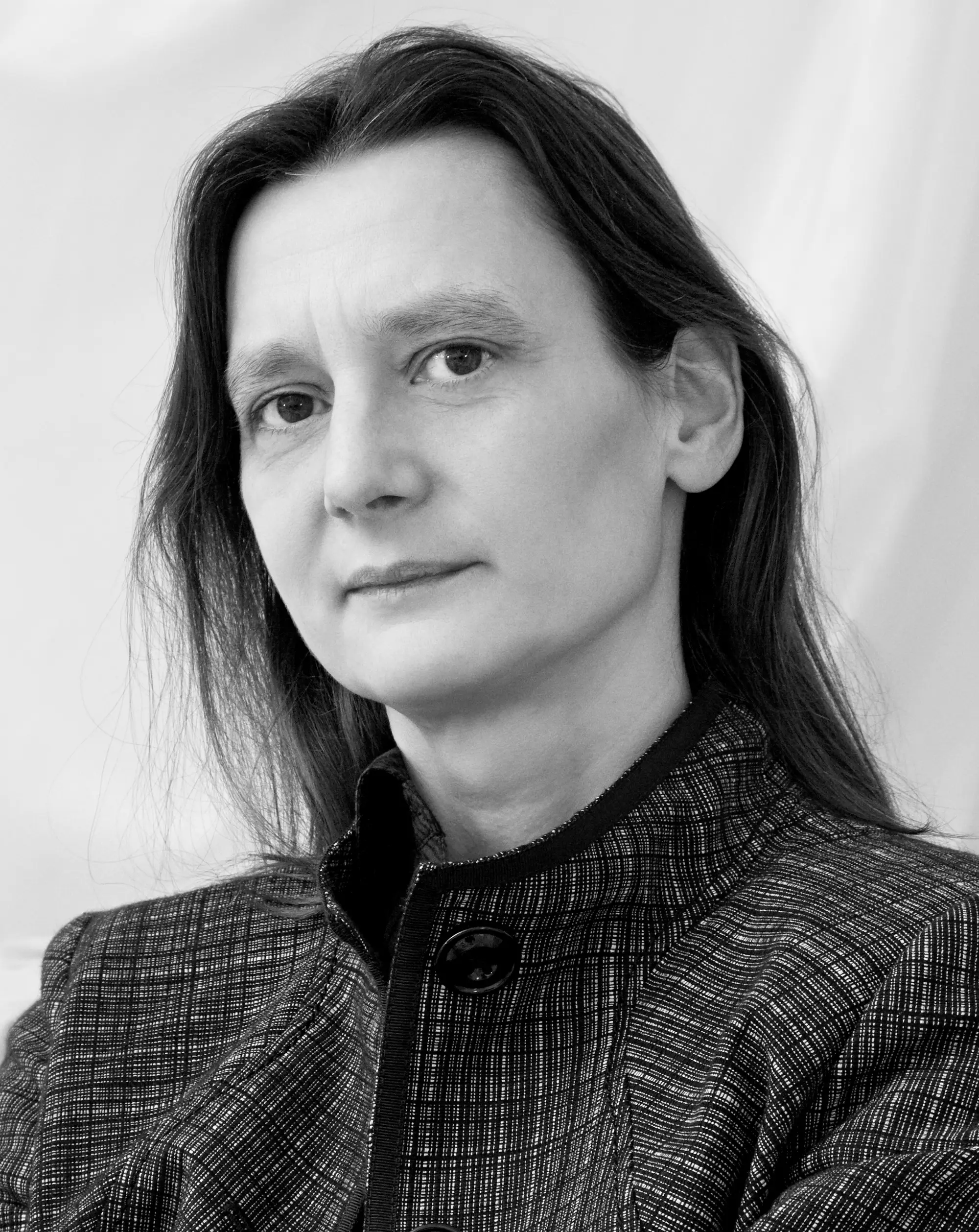
Born in Schwerin in 1960, lives in Berlin. Maria Sewcz studied photography at the Academy of Visual Arts Leipzig from 1982 to 1987. She completed her postgraduate studies at the HGB Leipzig in 1995 as a master student. In her photographic cycles, she deals with urbanity in the process of transformation, which describe the respective time period. Her work has been exhibited nationally and internationally, including at the Sprengel Museum in Hanover, LACMA in Los Angeles, the Neue Nationalgalerie in Berlin and the Münchner Stadtmuseum. Maria Sewcz has received numerous scholarships, in particular the Artist in Residence Scholarship of the German Academy Villa Massimo Rome, 2011 and the Istanbul Scholarship of the Senate Department for Culture and Europe, Berlin, 2016/17. Her works are the subject of several monographs: un, point out, inter esse, TR 34; ISTANBUL and JETZT, BERLIN. She taught at the Braunschweig University of Art from 2005 to 2007 and has been a lecturer at the Ostkreuzschule für Fotografie Berlin since 2017.
Lea Sievertsen
Design Foundation
Foundation Class
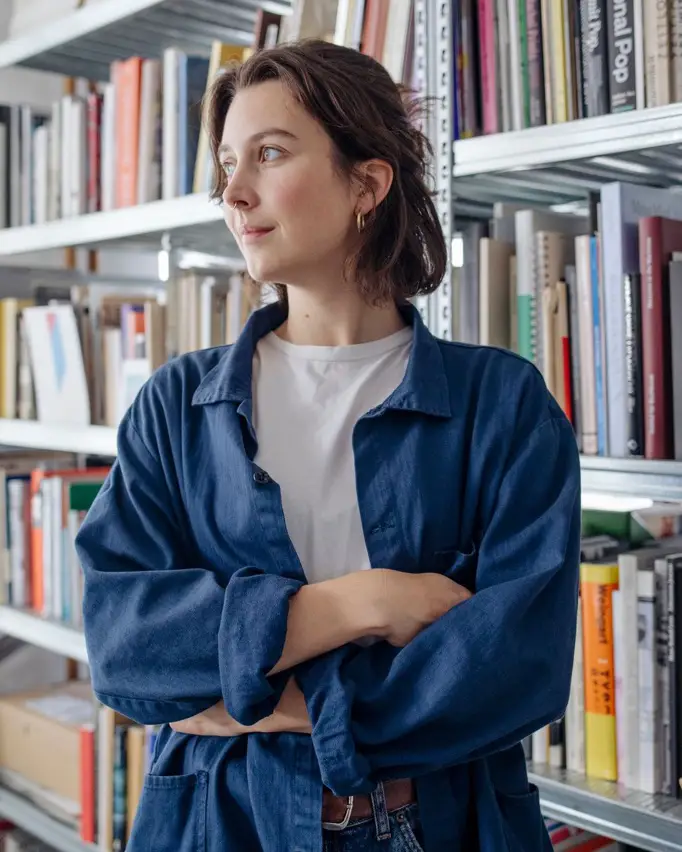
Born 1990 in Flensburg, she lives in Berlin. Lea Sievertsen graduated from the Hamburg University of Fine Arts in 2019, specializing in graphic design, having previously studied at the HAW Hamburg and the Burg Giebichenstein University of Art and Design in Halle. In 2021, she founded the graphic design studio Distaff Studio together with Sarah Fricke and Pawel Wolowitsch. She previously worked as a freelance graphic designer, including for Node Berlin Oslo. In 2021/2022 she was the third resident of the Fonds für junges Design at the Museum für Kunst und Gewerbe Hamburg. In collaboration with Silva Baum and Claudia Scheer, she initiated and published the feminist publication and platform notamuse – A New Perspective on Women Graphic Designers in Europe. In addition to her design practice, she gives workshops, lectures and has been a lecturer of the basics of design at the Ostkreuzschule since 2024.
Andreas Trogisch
Design
Advanced Class
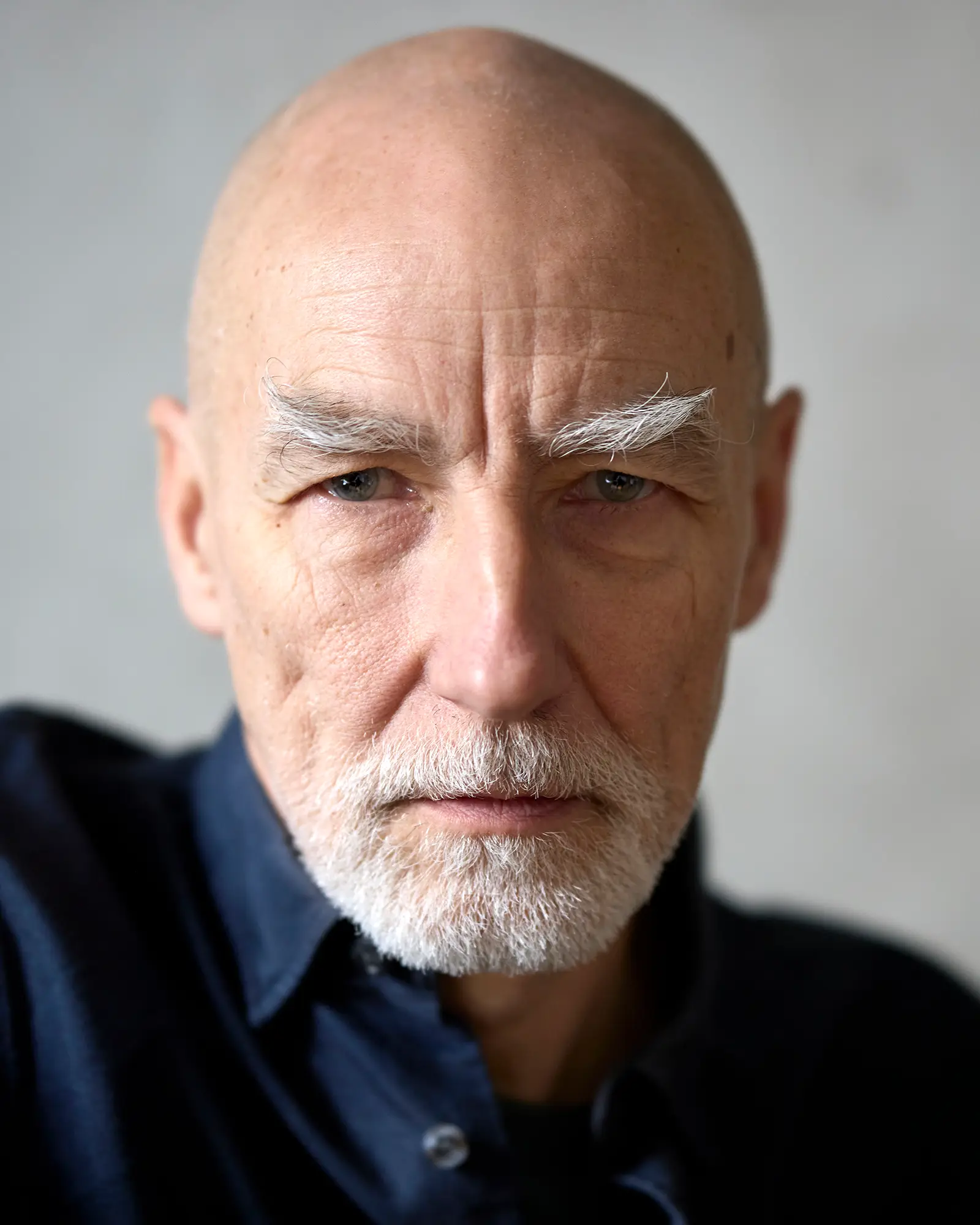
Born in Riesa in 1959, he lives in Berlin. He has been working as a graphic designer and photographer since 1982. His studies of graphic design with the painter Bodo Müller and the photographer Manfred Paul at the FWG Berlin-Schöneweide were formative, in addition to his engagement with the works of the classical avant-garde photography. He has been publishing his photos in book form since 2010, including ten titles with Peperoni Books. His pictures have been shown nationally and internationally in solo and group exhibitions and have been exhibited at photo festivals in Nantes, Bordeaux and Arles and at the Triennial of Photography in Hamburg. In 1989, he was a founding member of the East Berlin graphic design studio grappa, which has been called Troppo Design since 2014, where he works as a designer of posters and books. He has also taught at the Berlin University of the Arts, the Berlin Weißensee School of Art and the German-Chinese Academy of Art in Hangzhou. He has been a lecturer in design at the Ostkreuzschule Berlin since 2021.
Franca Wohlt
Digital Lab
Foundation Class

Born in 1981 on Lake Constance, she lives in Berlin. Franca Wohlt completed her training in photo design at the Lette Verein Berlin in 2009. The following year, she founded the AFF Gallery, a space for contemporary photography in Berlin-Friedrichshain, where she still works. Her mostly documentary works have been shown nationally and internationally, including at C/O Berlin, FotoDoks Munich, the Triennale der Photographie Hamburg and Voies Off Arles. In 2017, she received the Neukölln Art Prize, for which she was a jury member in the following years. She has been on the board of the audan art foundation in Berlin since 2021. She works commercially for NGOs, companies and museums in German-speaking countries. She has been a lecturer at the Ostkreuzschule since 2018.
Miriam Zlobinski
Theory of Photography
Advanced & Orientation Class

Born 1982 in Essen, she lives in Berlin. Miriam Zlobinski works as a historian on concepts of photography in theory and practice. She completed her studies in history and art history with the special publication Die Volksgenossin in der Modefotografie, published by Humboldt University Berlin. She then began her doctorate on the political image in photojournalism in the magazine Stern. In 2018, she received the Research Grant from the Federal Chancellor Willy Brandt Foundation. Together with Anne Vitten, she founded the interdisciplinary working group Foto:Diskurs for the exchange of humanities scholars. As editor-in-chief, she is jointly responsible for the online magazine Revue - für Fotografie und Wahrnehmung. She works as a curator at fhoch3 - freiraum für fotografie and is in charge of collaborative projects as a freelance exhibition organizer. As an appointed member of the DGPh, she has been a board member of the History & Archives section since 2022. She has been a lecturer at the Berlin University of the Arts since 2021 and teaches photography history and media theory at the Ostkreuzschule since 2023.
Prof. Peter Bialobrzeski
Photography Masterclass
2025
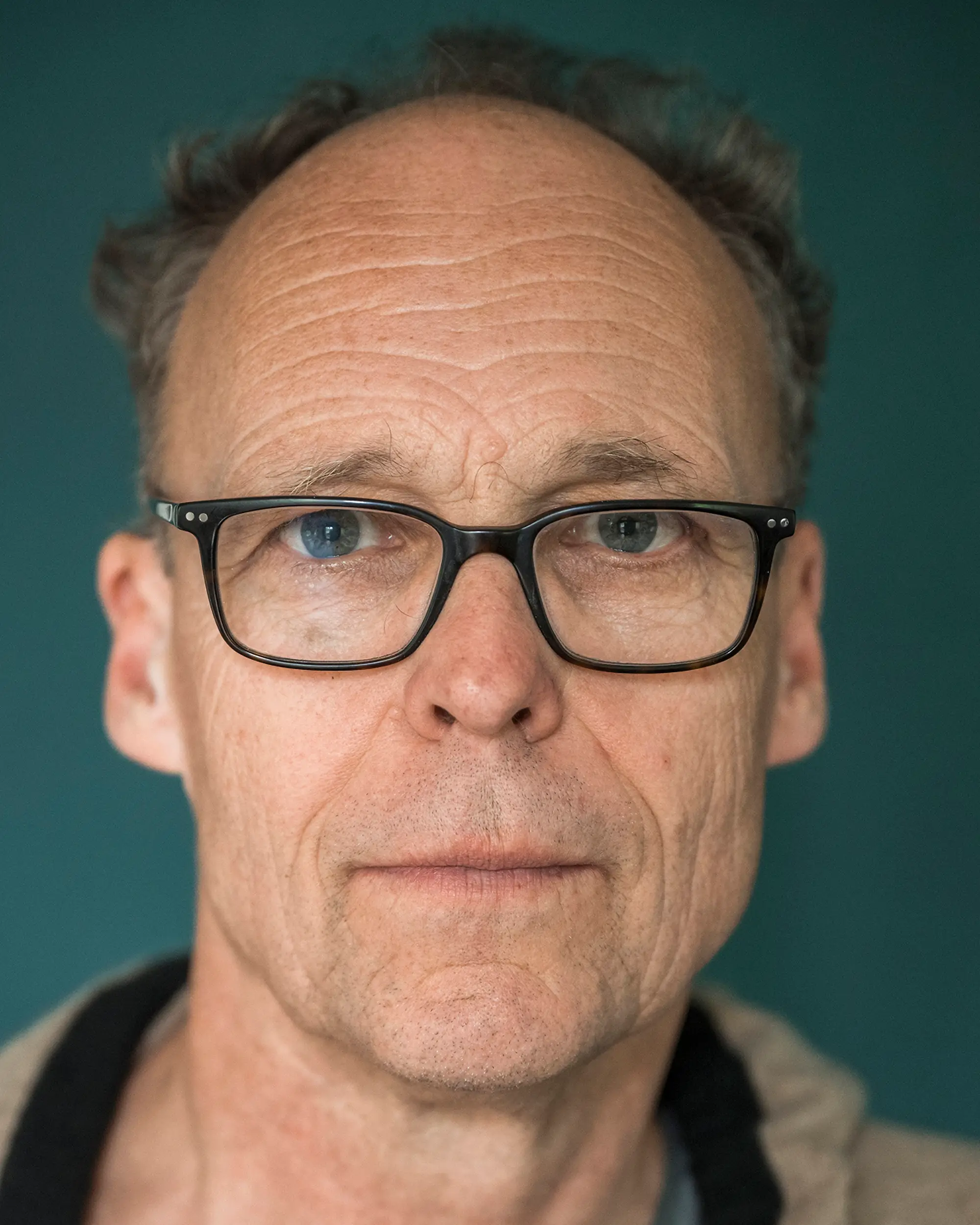
Born in Wolfsburg in 1961, he lives in Hamburg. Peter Bialobrzeski studied politics and sociology before becoming a local reporter in his native city. After studying photography in Essen and London, he joined the laif agency in 1994 and initially worked for national and international magazines before beginning to publish his projects in book form at the end of the 1990s. His 34th monograph was published in spring 2024. He was appointed Professor of Photography at the HfK Bremen in 2002 and taught there until 2021. He has won two World Press Photo Awards and was honored with the Dr Erich Salomon Prize of the DGPh in 2012. His photographs have been shown worldwide in solo and group exhibitions and can be found in numerous private and public collections. He is represented by Galerie Peter Sillem in Frankfurt am Main, Galerie Robert Morat in Berlin and Laurence Miller Gallery in New York. His photographs negotiate complexity and abstraction and the way we once were, for he places photography in a historical context. Since retiring from active university service, he has worked as a freelance artist, photographer, curator and lecturer at the Ostkreuzschule.
Sibylle Fendt
Photography Masterclass
2025
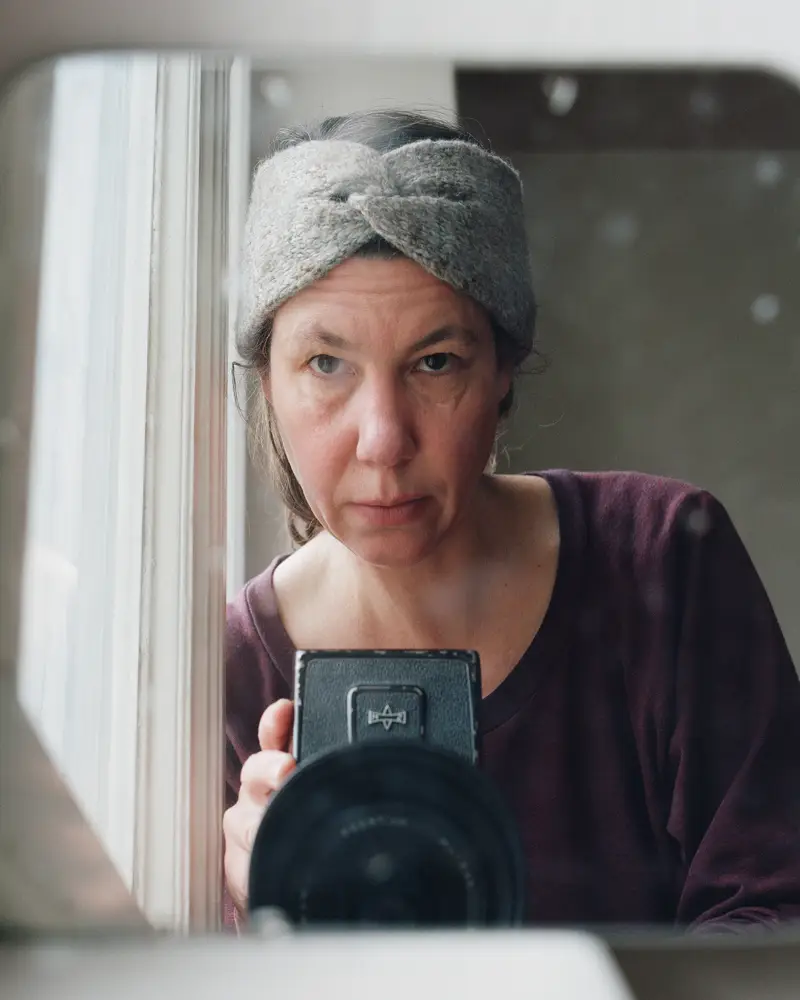
Born 1974 in Karlsruhe, she lives in Berlin. Sibylle Fendt received her degree in photography at Bielefeld University of Applied Sciences in 2002. She has won numerous national and international awards for her graduation project Uneins. In 2003 she was part of the World Press Photo Masterclass. From 2003 to 2005, she was a guest student in Wolfgang Tillmans' class at the Freie Kunstakademie Frankfurt. She has been a member of the Ostkreuz agency since 2010 and its managing director since 2023. Sibylle Fendt photographs for magazines, teaches photography at several universities and works continuously on independent long-term projects that are exhibited nationally and internationally and are published. Her themes are social exclusion, gender studies, psychological, social and health crises as well as ordinary life. The portrait is at the center of her work. She has been teaching at the Ostkreuzschule since 2008.
Prof. Linn Schröder
Photography Masterclass
2026
Born 1977 in Hamburg, she lives and works in Hamburg and Berlin. After completing her degree in photography at the HAW Hamburg under Prof. Ute Mahler, Linn Schröder became a member of the Ostkreuz agency in 2005. She has been a professor of photography at the HAW in Hamburg since 2016. Her work can be seen in museums and exhibition venues in Germany and abroad. The group of works Ich denke auch Familienbilder was shown in 2021 as part of the exhibition Family Affairs at the Haus der Photographie in the Deichtorhallen Hamburg, as well as at the Kunsthalle Erfurt and the Galerie Robert Morat in Berlin. Self-Portrait with Twins and a Breast was awarded the Zeit Magazin Photo Prize in 2013. The work has been exhibited at the Deutsches Hygiene-Museum in Dresden, the Haus der Kulturen der Welt in Berlin and the Museum Folkwang in Essen, among others. Her monograph Ich denke auch Familienbilder was published by Hartmann Books in 2021. She has been teaching at the Ostkreuzschule since 2011.
Ingo Taubhorn
Photography Masterclass
2026
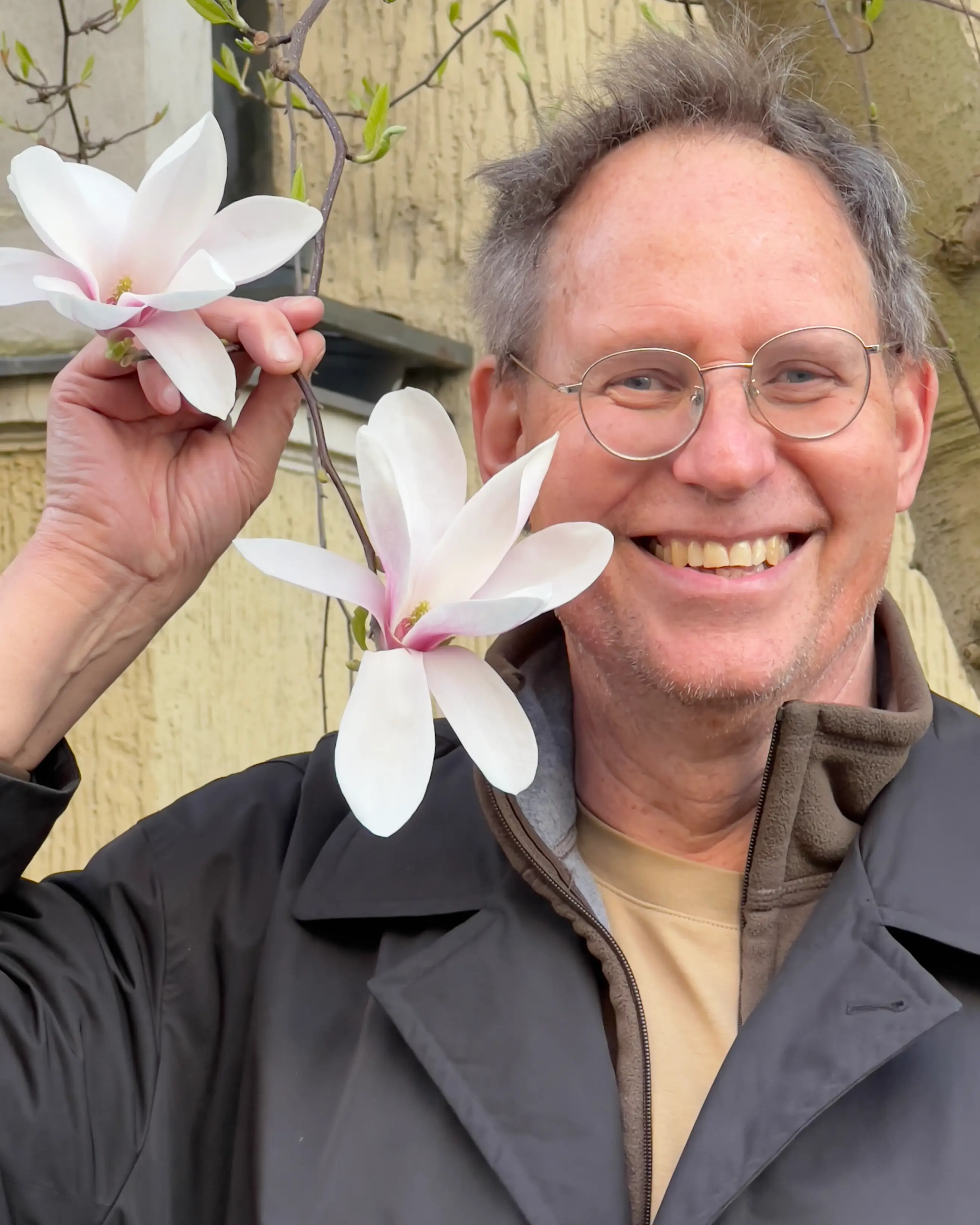
Born in Dortmund in 1957, he lives in Berlin. Ingo Taubhorn studied visual communication in the photography and film department at Dortmund University of Applied Sciences and Arts from 1980 to 1985. His work groups Mensch Mann, VaterMutterIch and Die Kleider meiner Mutter have been shown in exhibitions and publications in Germany and abroad. From 2003 to 2023, he was chief curator of the Haus der Photographie in the Deichtorhallen Hamburg and, as an exhibition organizer, realized major retrospectives and shows of works by renowned photographers. An important aspect of his curatorial work is the promotion of young photographers. He has taught photography at the HfK Bremen, the University of Witten-Herdecke, the FH Bielefeld and the HAW Hamburg. Since 2016, he has led the photography masterclass at the Ostkreuzschule für Fotografie, initially together with Prof. Ute Mahler and since 2022 with Prof. Linn Schröder. He is also President of the German Photographic Academy.
Nadja Masri
Head of Program
Photo Editing

Born in Flensburg, she lives with her family in the Swabian province. Nadja Masri is a freelance photo editor, lecturer and consultant. She worked at the Ostkreuz agency and for almost ten years as Senior Photo Editor and Bureau Chief for GEO magazine in New York. She has worked as a freelance photo editor for Science Notes, Philosophie Magazin and Das Magazin. In 2022, she curated the photo exhibition Lebenswelt - acht fotografische Positionen. She also gives workshops, lectures and judges photo competitions such as the C/O Berlin Talent Award. Since 2011, the communication studies graduate has been head of the photo editing program at the Ostkreuzschule. She also teaches at the Dortmund University of Applied Sciences and Arts and at the International Center of Photography in New York.
Philipp Böll
Guest Lecturer
Digital Tools & Online Editing
Sandra Buschow
Guest Lecturer
Project Portraits Hellerau
Betty Fink
Guest Lecturer
Agencies & Fees
Sebastian Graalfs
Guest Lecturer
Media Law
Thomas Gust
Guest Lecturer
Photobook
Michael Hauri
Guest Lecturer
Digital Storytelling
Heinrich Holtgreve
Guest Lecturer
Artificial Intelligence
Kathrin Kohle
Guest Lecturer
Cultural Management
Julius Matuschik
Guest Lecturer
Diversity-sensitive Editing
Helena Melikov
Guest Lecturer
Project Portraits Hellerau
Katharina Mouratidi
Guest Lecturer
Project Management & Curating
Annette Samaras
Guest Lecturer
Keywording
Trine Skraastad
Guest Lecturer
Image Research for Magazines
Ann-Kristin Ziegler
Guest Lecturer
Newspaper Production
Damian Zimmermann
Guest Lecturer
Photo Festivals & Writing Workshop
Miriam Zlobinski
Theory and History of Photography
Born 1982 in Essen, she lives in Berlin. Miriam Zlobinski works as a historian on concepts of photography in theory and practice. She completed her studies in history and art history with the special publication Die Volksgenossin in der Modefotografie, published by Humboldt University Berlin. She then began her doctorate on the political image in photojournalism in the magazine Stern. In 2018, she received the Research Grant from the Federal Chancellor Willy Brandt Foundation. Together with Anne Vitten, she founded the interdisciplinary working group Foto:Diskurs for the exchange of humanities scholars. As editor-in-chief, she is jointly responsible for the online magazine Revue - für Fotografie und Wahrnehmung. She works as a curator at fhoch3 - freiraum für fotografie and is in charge of collaborative projects as a freelance exhibition organizer. As an appointed member of the DGPh, she has been a board member of the History & Archives section since 2022. She has been a lecturer at the Berlin University of the Arts since 2021 and teaches photography history and media theory at the Ostkreuzschule since 2023.
Julia Baier
Weekend Seminar
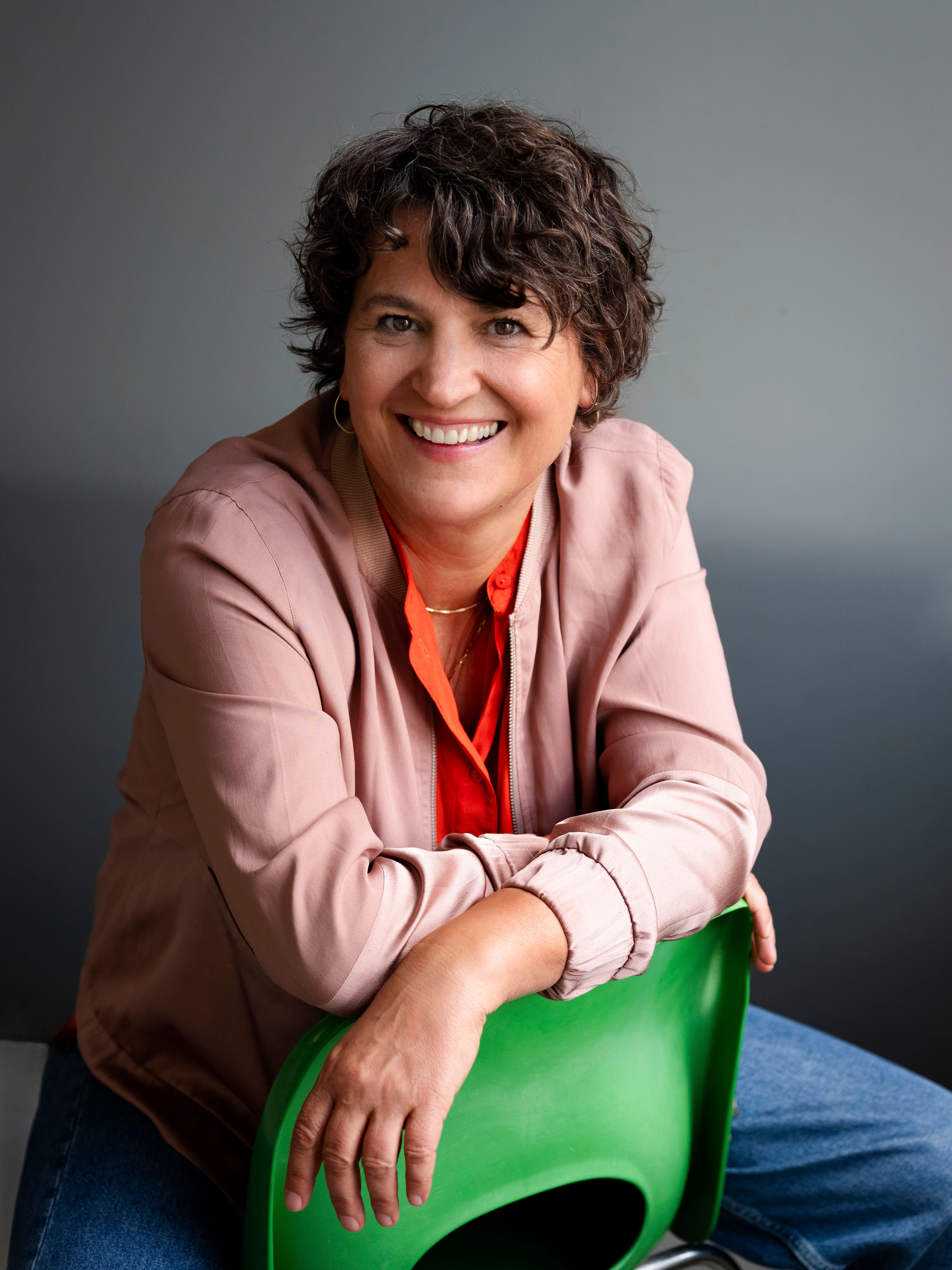
Born in Augsburg in 1971, she lives in Berlin. She first studied psychology at the University of Bremen and then photography at the University of the Arts Bremen. She began earning a living as a photographer while still a student. Since then, she has photographed for many national and international agencies, magazines, and newspapers and has realized various long-term artistic projects. She has been a member of the laif agency since 2003 and is represented by the photo agent bransch. Her artistic work has been supported by grants and shown in various national and international exhibitions. Her work has received numerous awards, including second prize at architekturbild (European Architecture Photography Award 2015), the BFF Promotion Prize 2003, and a nomination for the World Press Masterclass 2003. Since 2019, she has been a member of the international street photography collective UP Photographers. She has published three monographs with Peperoni Books: Sento (2008), Water Matters (2013), and In Tune – Variations on an Orchestra (2015). For the past 25 years, she has also taught at art academies, led international workshops, and shared her artistic practice through lectures.
Peter Bialobrzeski
Weekend Seminar
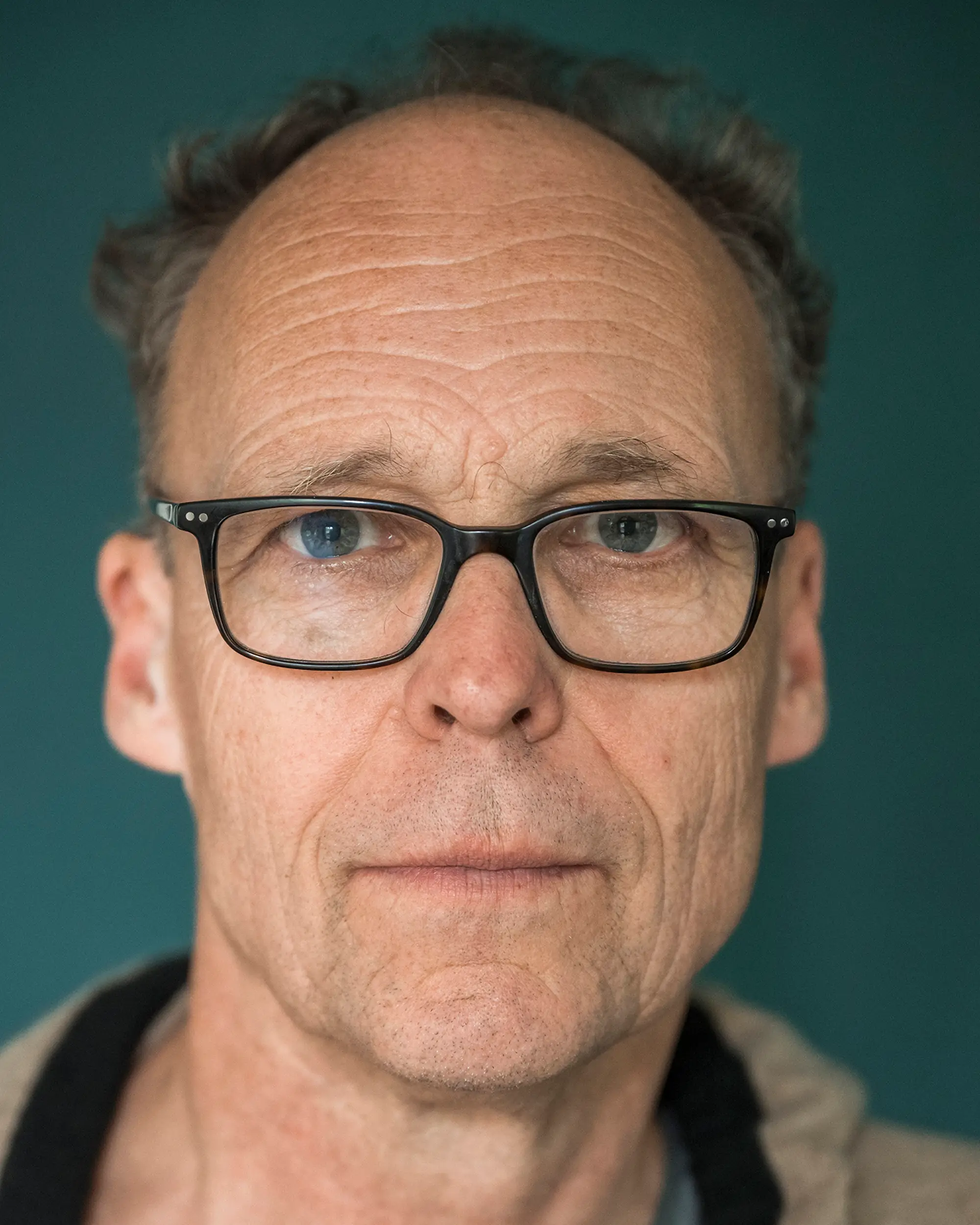
Born in Wolfsburg in 1961, he lives in Hamburg. Peter Bialobrzeski studied political science and sociology before becoming a local reporter in his hometown. After studying photography in Essen and London, he joined the laif agency in 1994 and initially worked for national and international magazines before beginning to publish his projects in book form in the late 1990s. His 34th monograph was published in the spring of 2024. In 2002, he was appointed professor of photography at the HfK Bremen, where he taught until 2021. He has won two World Press Photo Awards and was honored with the DGPh’s Dr. Erich Salomon Prize in 2012. His photographs have been shown worldwide in solo and group exhibitions and are held in numerous private and public collections. He is represented by Galerie Peter Sillem in Frankfurt am Main, Galerie Robert Morat in Berlin, and the Laurence Miller Gallery in New York. His photographs explore complexity and abstraction and the way we once were, for he always interprets photography through a historical lens. Since retiring from active university service, he has been working as a freelance artist, photographer, curator, and lecturer at the Ostkreuzschule.
Betty Fink
Portfolio Development
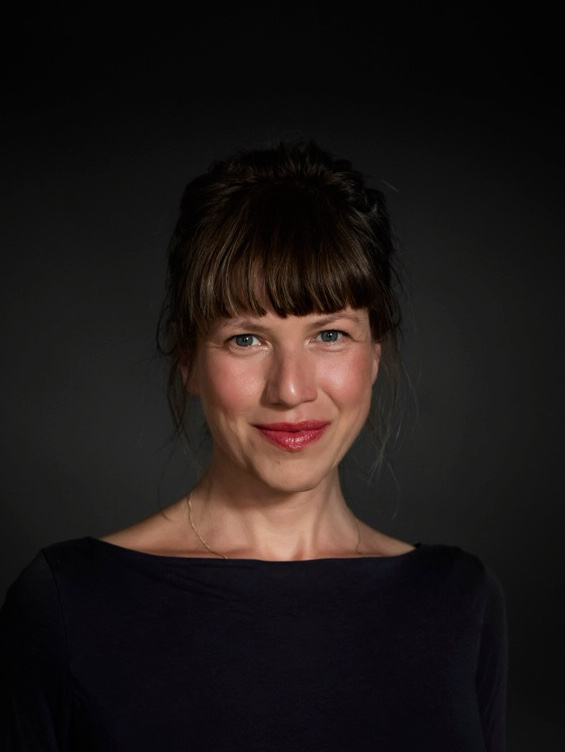
For more than 25 years, Betty Fink has been working with photographers to develop concepts for their projects and advising them on the further development of their work and on marketing issues. She has accompanied numerous creative projects and offers comprehensive advice on applied and artistic work, especially in the areas of marketing and portfolio design. As agency manager of the OSTKREUZ agency from 2003 to 2015, she was responsible for both the operational business and the realization of projects in cooperation with international institutions, publishers and agencies. In this role, she represented the agency and its photographers at various festivals and exhibitions. In individual consultations, workshops and seminars, Betty Fink passes on her experience and advises photographers on their professional development and photographic storytelling. With inspiration and impulses, the aim is to sharpen the photographic profile, promote stability in commissioned photography and create networks and connections.
Göran Gnaudschun
Weekend Seminar
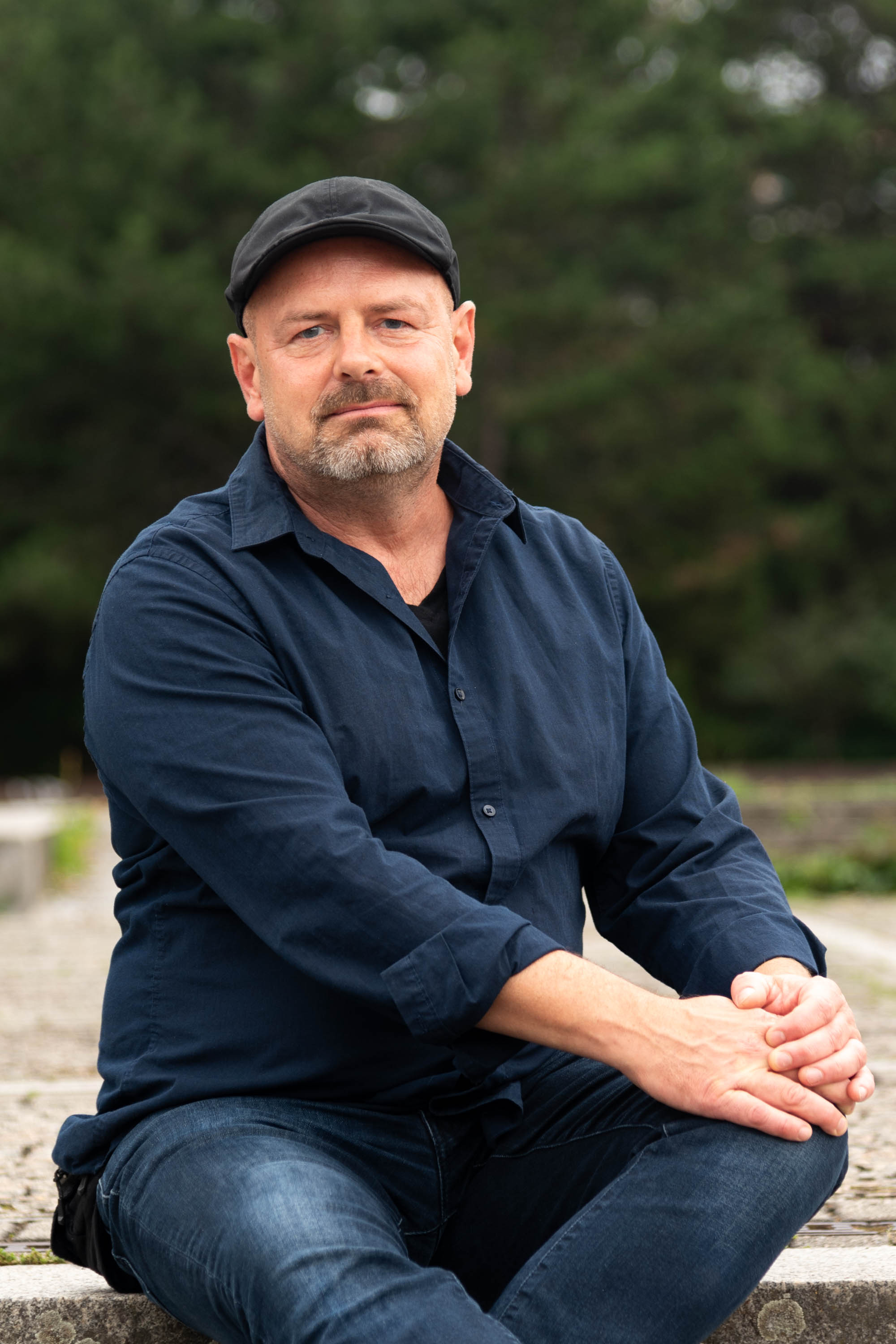
Born in Potsdam in 1971, he lives in Potsdam. Göran Gnaudschun studied artistic photography and fine arts with Prof. Timm Rautert at the Academy of Fine Arts Leipzig (HGB). He is interested in people and the life situations they find themselves in: in social hotspots such as Berlin’s Alexanderplatz, in the no man’s land of the former inner-German border, or in an earthquake-stricken village in the Italian region of Abruzzo. His work Are You Happy? is set on the eastern outskirts of Rome. People there live in cramped conditions; apartment blocks rise like walls, with wasteland abruptly next to them. Young, trendy neighborhoods give way to residential areas for office workers, for laborers, and for people whose source of income no one really knows. The further east you go, the poorer the conditions become: high-rise complexes, abandoned construction projects, problem districts. The ancient city wall separates the periphery from postcard Rome. Gnaudschun is driven by questions of existence, of living space and lifetime. In the concreteness of his portraits and the atmosphere of the urban spaces, he explores the presence of what is universally human: “Are you happy?”
Andrea Grützner
Weekend Seminar
Born in Pirna in 1984, she lives in Dresden. Andrea Grützner completed her master’s degree in photography at Bielefeld University of Applied Sciences in 2014. Since then, she has exhibited her work in Germany and abroad and has received several awards. She has taught at institutions including the Ostkreuzschule, the HGB Leipzig, Burg Giebichenstein, the Bauhaus-Universität Weimar, and the HTWG Konstanz. In her artistic practice, she explores the visual and contextual perception of spaces. Based on a subjective engagement with architecture and social environments, she creates photographic works between the familiar and the unfamiliar, reality, illusion, and abstraction. She is interested in the stories and memories inscribed in places, as well as in how architecture and cultural spaces shape our perception, emotions, and collective identity.
Annette Hauschild
Weekend Seminar

Born in Gießen in 1969, she lives in Berlin. Annette Hauschild completed her photographic training at the Lette-Verein in Berlin in 1993 and attended the master class at the photography school Fotoschule am Schiffbauerdamm with Prof. Arno Fischer in 2004. She has been a member of the Ostkreuz agency since 1996. Her work has been shown in numerous group and solo exhibitions, including at C/O Berlin, Hellerau - European Centre for the Arts in Dresden, Haus der Kulturen der Welt in Berlin and Akademie der Künste in Berlin and has been published by Hatje Cantz Verlag and Steidl and Hartmann Books. Her monograph Last Days of Disco was published by Hatje Cantz in 2011. She has received the Grenzgänger scholarship of the Robert Bosch Stiftung and the INITIAL scholarship of the Akademie der Künste. Together with Prof. Ute Mahler, she curated the Ostkreuz exhibitions Ostzeit and Über Grenzen. She has been leading seminars at our school since 2022.
Tobias Kruse
Weekend Seminar
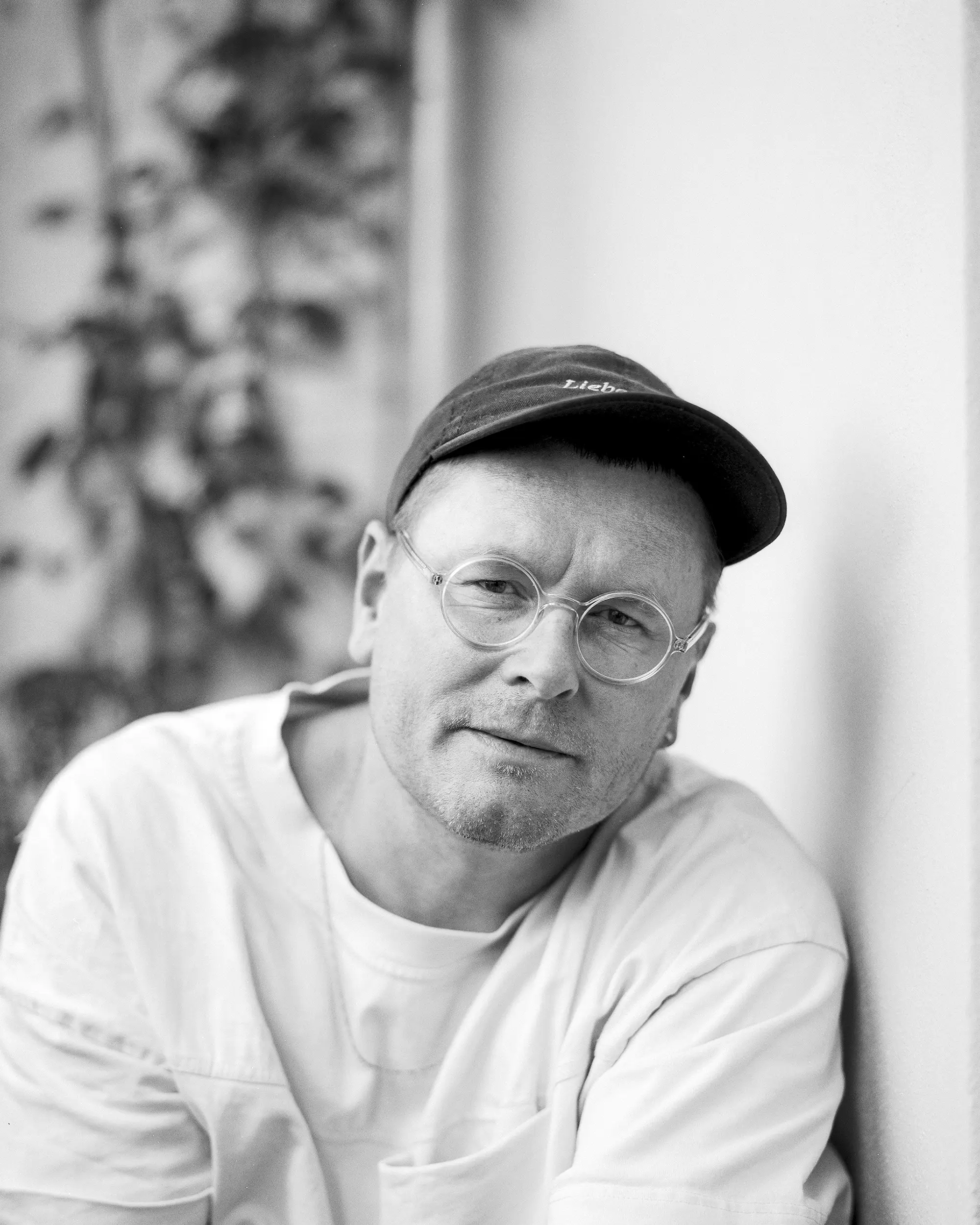
Born in Waren in 1979, he grew up in Schwerin and has been living in Berlin since 2000. Tobias Kruse initially worked as a graphic designer before studying with Prof. Ute Mahler, Werner Mahler and in Prof. Arno Fischer's master class at the Ostkreuzschule. He has been a member of the Ostkreuz agency since 2011. In his photography, he addresses the major social issues of our time with an explosive and poetic visual language. He has published several books, including Material, Freundschaft (together with Jörg Brüggemann) and Deponie. His pictures have been published in media such as Zeit Magazin, Der Spiegel, Libération and the Financial Times and have been exhibited nationally and internationally, including at FOAM Amsterdam, the Akademie der Künste Berlin, the Deichtorhallen Hamburg, C/O Berlin and the Museum of Modern Art Tokyo. Kruse has received numerous awards, including the 2023 Art Prize for Photography from Lotto Brandenburg and the German Photo Book Prize in Gold. He works for selected clients, but mainly on freelance projects. Tobias Kruse has been teaching at the Ostkreuzschule since 2017.
Ingmar Björn Nolting
Weekend Seminar

Born in Aalen in 1995, lives in Leipzig. Ingmar Björn Nolting studied photography at Dortmund University of Applied Sciences and Arts from 2014, graduating with a master's degree. He has been a member of the laif agency since 2020 and is a founding member of the DOCKS Collective for humanistic photography. In his long-term projects, he condenses social moods and conditions in Germany. With quiet, often stage-like compositions, he explores the complex interrelationships between the environment, politics, and social dynamics. Nolting works regularly for the New York Times, and his photographs have been published and awarded internationally. In 2023, his photo book About the Days Ahead about the coronavirus pandemic in Germany was published by Kettler. He was a scholarship holder of the Kunstfonds Foundation, his works have been exhibited extensively and are part of public collections, including the Museum of Art and Cultural History in Dortmund.
Sven Marquardt
Weekend Seminar

Born 1962 in East Berlin, he lives in Berlin. In the mid-1980s Sven Marquardt was an important part of the emerging punk, new wave and artist scene in Berlin's Prenzlauer Berg district. Photographers such as Sibylle Bergemann, Ute and Werner Mahler and especially Helga Paris have influenced his artistic career since the 1980s. After the fall of the Berlin Wall, he explored the newly emerging Berlin club scene. Since the late 1990s, while working as a bouncer at Club Ostgut and then from 2004 at Berghain, he has been fascinated by the theme of the night. Inspired by Berlin's cultural atmosphere, he returned to photography at the end of the 1990s. Since 2015, he has been traveling the world with his photographs and showing them in exhibitions, in Berlin, Belgrade, Sydney, New York City and Istanbul. He works for magazines such as i-D, Interview, Numéro Berlin, SLEEK, Vogue and ZOO as well as for fashion labels such as Hugo BOSS, Levi's, ITEM m6, Baldessarini, Liebeskind and G-Star. In 2019, he was a guest lecturer at Polimoda in Florence.
Ina Schoenenburg
Weekend Seminar
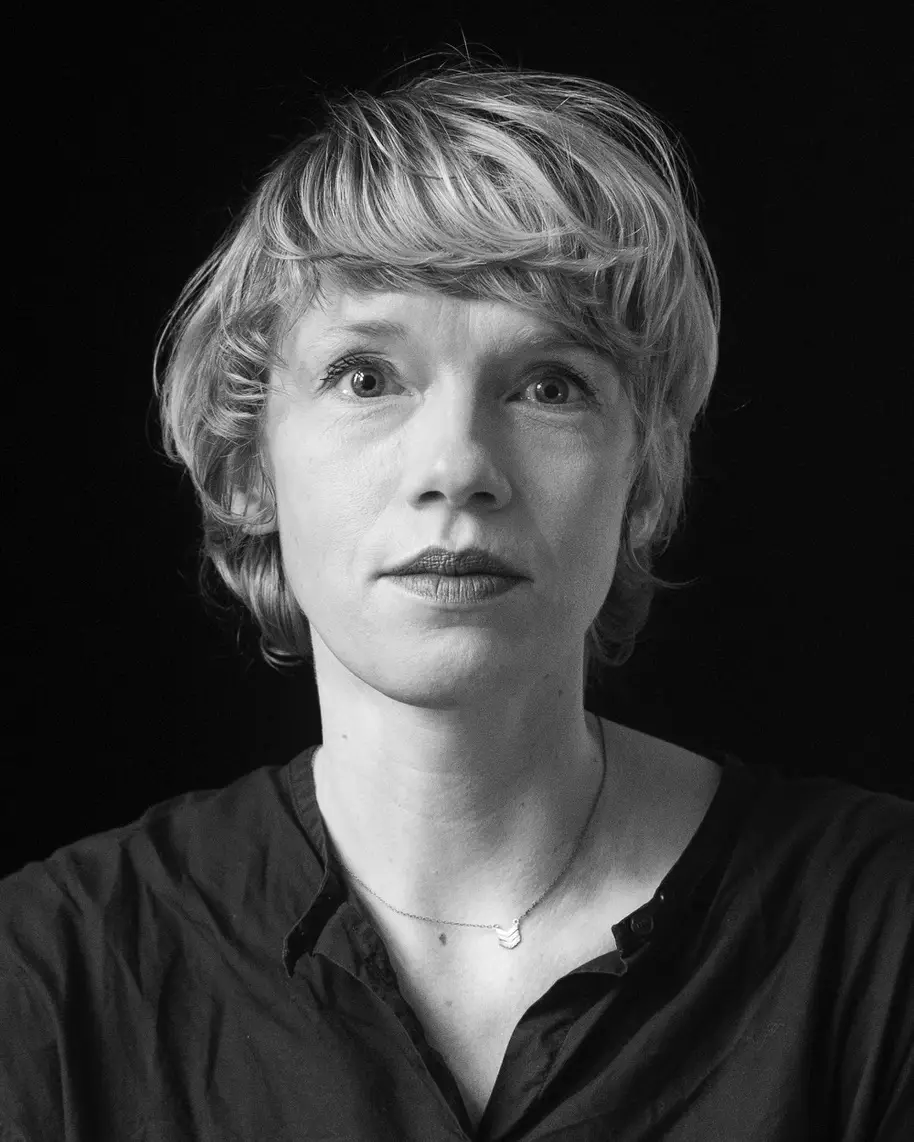
Born in East Berlin in 1979, lives in Berlin with her daughter. Ina Schoenenburg completed her photography studies at the Ostkreuzschule in 2012. From 2013 to 2017 she was part of the photographers' collective and exhibition space exp12 in Berlin. She has been a member of the Ostkreuz agency since 2016. Her photographic language ranges from documentary observation to staging. She is interested in the conflicts of her protagonists, their interpersonal relationships and their relationship to their environment and themselves. For her long-term project Blickwechsel, Ina Schoenenburg won the Prix Exchange Boutographies / Fotoleggendo in 2016, the Otto Steinert Prize of the DGPh in 2017 and the Vonovia Award for Photography. Her work has appeared in numerous magazines such as Zeit Magazin, Geo and Stern and has been exhibited in France, Italy, Luxembourg, Poland and Switzerland, among others. She has been teaching at the Ostkreuzschule since 2019.
Anne Schönharting
Weekend Seminar
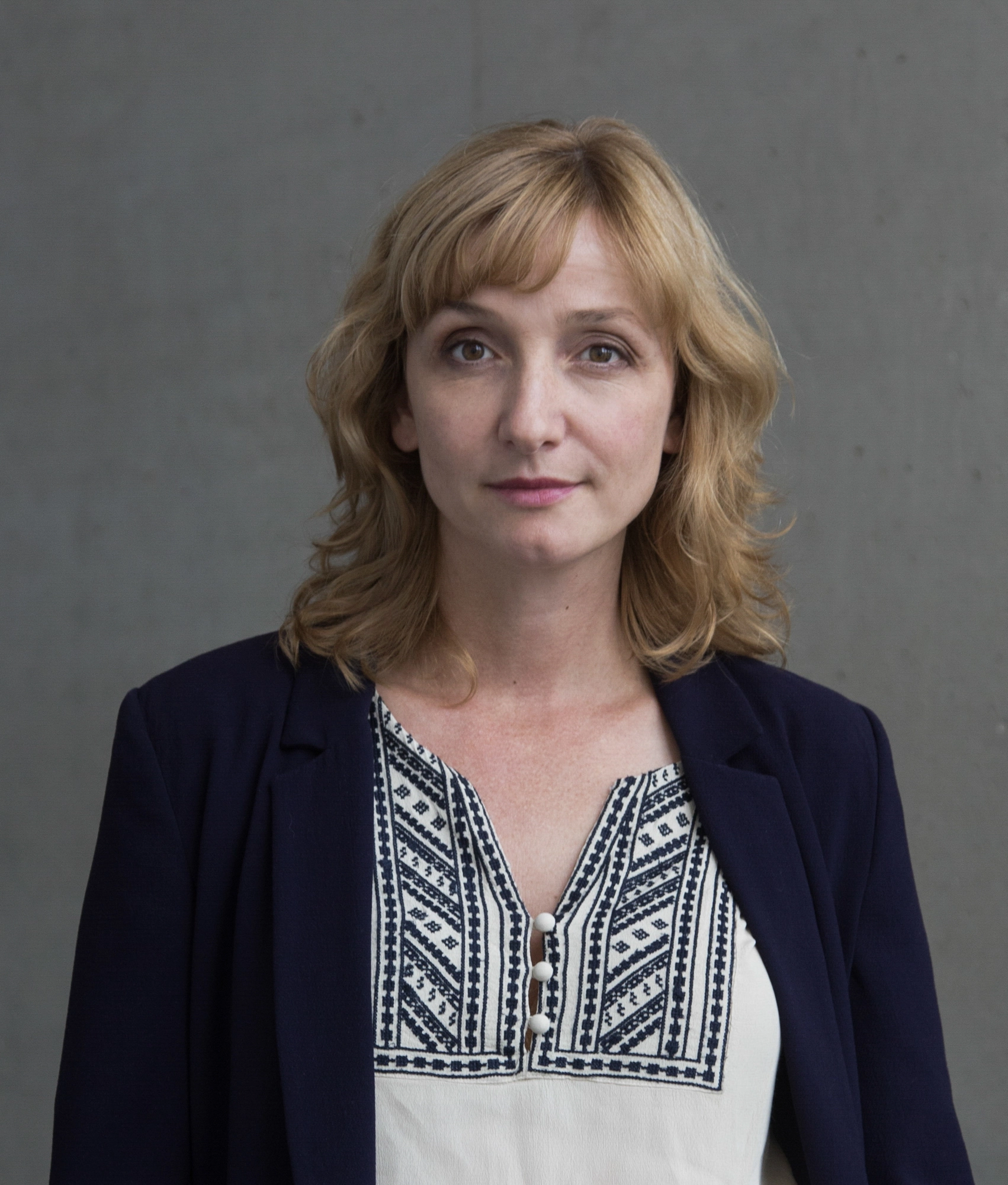
Born 1973 in Meißen, she lives in Berlin. Anne Schönharting studied photography at the Lette-Verein in Berlin and has been a member of the Ostkreuz agency since 1999. In her long-term artistic projects, she focuses on a wide variety of themes and moves between the genres of portrait, artistic documentary photography, fashion and social studies. She works on commission for well-known clients, her pictures have been published in national and international magazines and exhibited in renowned institutions. She has taught at the Kunsthochschule Berlin-Weißensee and held guest professorships for photography at the Bauhaus University in Weimar and the Muthesius Kunsthochschule in Kiel. In 2020, Anne Schönharting published her book Das Erbe, an examination of her family's colonial past, with Hartmann Books, for which she was awarded gold at the German Photo Book Prize 2020/21,. Her book Habitat was published in 2022, also by Hartmann Books, and won bronze at the German Photo Book Award 2023/24.
Anne Schwalbe
Weekend Seminar
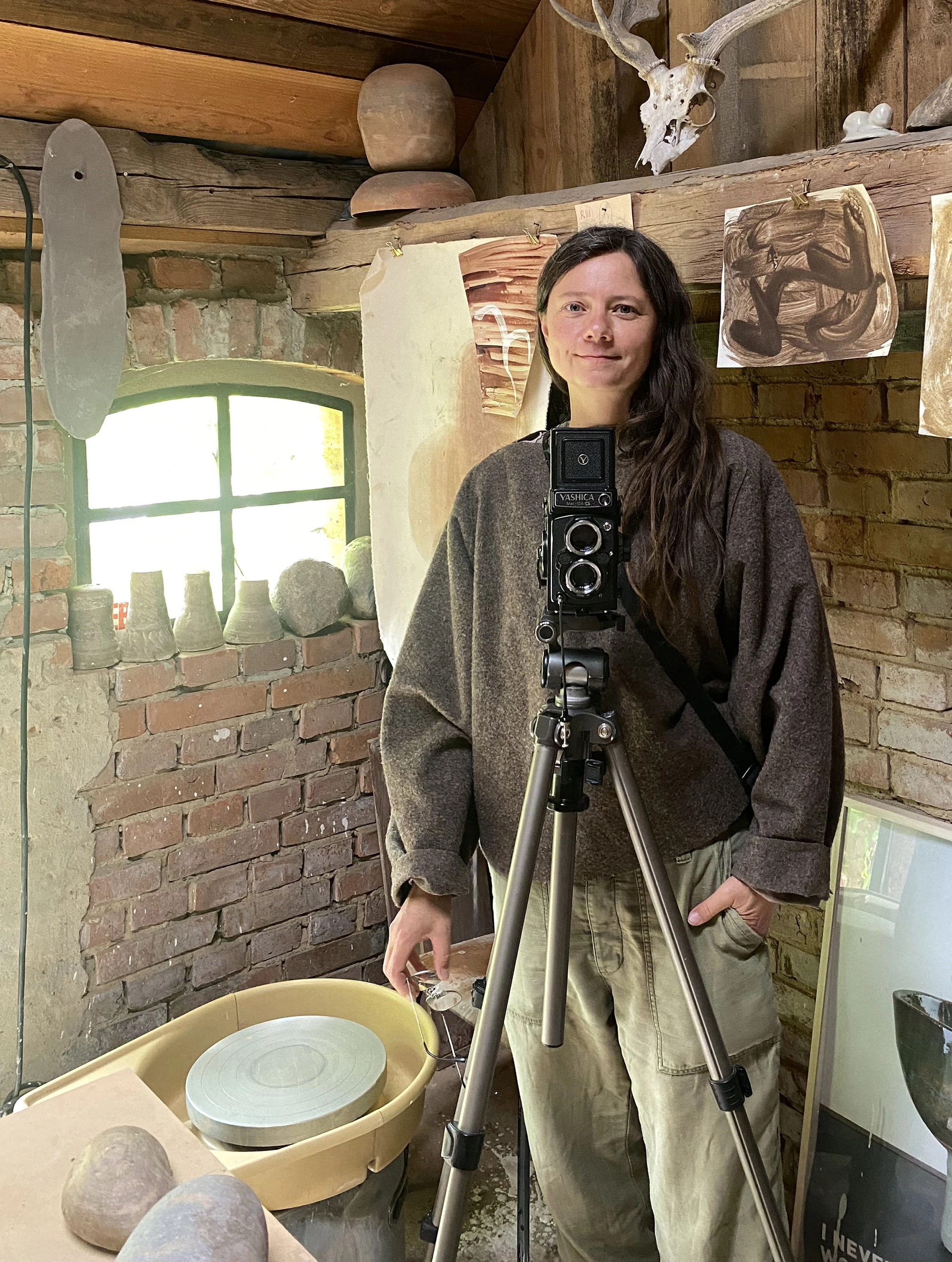
Born in Berlin, lives in Werben (Elbe). After studying modern German literature and cultural studies at Humboldt University in Berlin and working part-time as a florist, Anne Schwalbe studied photography at the Ostkreuzschule under Werner Mahler and Ute Mahler and was part of the first graduating class. She then attended master classes with Arno Fischer and Ute Mahler. Anne Schwalbe visualizes silence. She finds the extraordinary in the everyday and reduces reality to what she considers essential. Her photographs are primarily analog. She conceived and photographed the column Die Gärten der Anderen (The Gardens of Others) for Zeit magazine, which was published from 2018 to 2023. With her books, she was part of Self Publish, Be Happy (London) and participated in international book fairs (Offprint Paris, I Never Read Basel, C/O Berlin Bookdays). Her work has been exhibited in galleries and museums, including FOAM Amsterdam, Galerie f5,6 Munich, and Curator's Cube Tokyo.
Mirjana Vrbaški
Weekend Seminar
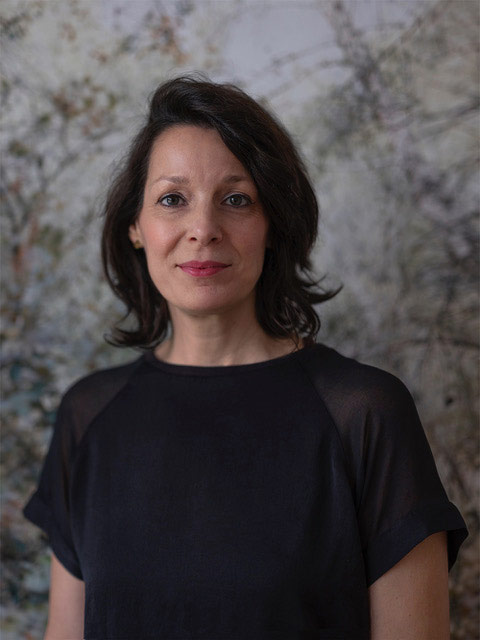
Mirjana Vrbaški was born in Montreal, Canada (1978), but grew up in Belgrade, Serbia. She studied literature in Canada, after which she obtained her BFA in Photography in 2010, at the Royal Academy of Art in The Hague. During her studies, she was awarded the Taylor Wessing Portrait Award at the National Portrait Gallery in London. This led to her full dedication to the genre of portraiture, in which she carved out her own recognizable approach. Since 2018, she has expanded her practice to include landscape and conceptual photography as well as different media such as video and installation. Formed by her migrant background, she is interested in the photograph as an environment for resonance, kinship and empathy. Her portrait and landscape work has been brought together in a deeply personal monograph Odd Time, published in 2021 by Kerber Verlag. Her ongoing series Verses of Emptiness has been nominated for various photography prizes, including the Hellerau Portrait Prize (DE), Dutch National Portrait Prize (NL) and Renaissance Photography Award (UK). Mirjana has actively taught photography since 2014, at institutions such as the KHB Academy of Art and C/O Berlin Photography Museum, as well as in portrait workshops at her Berlin studio. She exhibits internationally and is represented in private and public collections, including The National Portrait Gallery, Fries Museum, Transformer Station Cleveland and others. Mirjana lives in Berlin with her husband and son.
Ostkreuzschule für Fotografie
Behaimstraße 32/34
13086 Berlin
+49-30-64827866
office@ostkreuzschule.de
Office hours: Monday until Thursday: 9:00–15:00
Photo Credits
The copyright for the images under Selected Theses lies with the respective graduates. The copyright for the images in the image galleries between the texts is held by © Thomas Meyer/Ostkreuz with the exception of the image gallery for the Mahler class. Here the copyright lies with © Lia Darjes, © Jörg Brüggemann/Ostkreuz and © Dawin Meckel/Ostkreuz. Photo Seminar Annette Hauschild: © Annette Hauschild/Ostkreuz, Photo Seminar Sven Marquardt: © Sven Marquardt, Photo Seminar Loredana Nemes: © Loredana Nemes, Photo Seminar Ina Schoenenburg: © Ina Schoenenburg, Photo Seminar Nikita Teryoshin: © Nikita Teryoshin, Photo Seminar Mustafah Abdulaziz: © Mustafah Abdulaziz, Photo Seminar Jessica Backhaus: © Jessica Backhaus, Photo Seminar Tobias Kruse: © Tobias Kruse, Photo Seminar Anne Schönharting: © Anne Schönharting, Portrait Prof. Peter Bialobrzeski: © Nancy Jesse; Portrait Jörg Brüggemann: © Annette Hauschild/Ostkreuz; Portrait Cale Garrido: © Simone Kessler; Portrait Lia Darjes: © Jörg Brüggemann/Ostkreuz; Portrait Sibylle Fendt: © Sibylle Fendt/Ostkreuz; Portrait, Jürgen Gebhardt: © Flora Wechselberger, Portrait Göran Gnaudschun: © Eckart Bartnik, Portrait Thomas Gust: © Ana Druga ; Portrait Heinrich Holtgreve: © Alexandra Polina; Portrait; Dr. Enno Kaufhold: © Thomas Meyer/Ostkreuz; Portrait Tobias Kruse: © Christian Rothe; Portrait Philipp Plum: © Meike Klenn; Portrait Ina Schoenenburg: © Annette Hauschild/Ostkreuz; Portrait; Maria Sewcz: © Joachim Richau; Portrait Lea Sievertsen: © Tim Sonntag; Portrait Prof. Linn Schröder © Antine Yzer & Telke Jungjohann; Portrait Ingo Taubhorn: © Ute Behrend
Portrait Andreas Trogisch: © Axel Schmidt
Portrait Nadja Masri: © Caroline Scharff
Portrait Ute Mahler and Werner Mahler: © Dawin Meckel/Ostkreuz
Portrait Mustafah Abdulaziz: © Andres Sanjuan Villanueva
Portrait Jessica Backhaus: © Ilaria Turba
Portrait Sven Marquardt: © Hardy Paetke
Portrait Nikita Teryoshin: © Privat
Ostkreuzschule für Fotografie Darjes Brüggemann GbR
Gesellschafter:innen:
Lia Darjes und Jörg Brüggemann
Finanzamt Pankow/Weißensee, 10431 Berlin
USt-IdNr. gem. § 27a UStG: DE360477909
Disclaimer
Haftung für Inhalte
Die Inhalte unserer Seiten wurden mit größter Sorgfalt erstellt. Für die Richtigkeit, Vollständigkeit und Aktualität der Inhalte können wir jedoch keine Gewähr übernehmen. Als Diensteanbieter sind wir gemäß § 7 Abs. 1 TMG für eigene Inhalte auf diesen Seiten nach den allgemeinen Gesetzen verantwortlich. Nach §§ 8 bis 10 TMG sind wir als Diensteanbieter jedoch nicht verpflichtet, übermittelte oder gespeicherte fremde Informationen zu überwachen oder nach Umständen zu forschen, die auf eine rechtswidrige Tätigkeit hinweisen. Verpflichtungen zur Entfernung oder Sperrung der Nutzung von Informationen nach den allgemeinen Gesetzen bleiben hiervon unberührt. Eine diesbezügliche Haftung ist jedoch erst ab dem Zeitpunkt der Kenntnis einer konkreten Rechtsverletzung möglich. Bei Bekanntwerden von entsprechenden Rechtsverletzungen werden wir diese Inhalte umgehend entfernen.
Haftung für Links
Unser Angebot enthält Links zu externen Webseiten Dritter, auf deren Inhalte wir keinen Einfluss haben. Deshalb können wir für diese fremden Inhalte auch keine Gewähr übernehmen. Für die Inhalte der verlinkten Seiten ist stets der jeweilige Anbieter oder Betreiber der Seiten verantwortlich. Die verlinkten Seiten wurden zum Zeitpunkt der Verlinkung auf mögliche Rechtsverstöße überprüft. Rechtswidrige Inhalte waren zum Zeitpunkt der Verlinkung nicht erkennbar. Eine permanente inhaltliche Kontrolle der verlinkten Seiten ist jedoch ohne konkrete Anhaltspunkte einer Rechtsverletzung nicht zumutbar. Bei Bekanntwerden von Rechtsverletzungen werden wir derartige Links umgehend entfernen.
Urheberrecht
Die durch die Seitenbetreiber erstellten Inhalte und Werke auf diesen Seiten unterliegen dem deutschen Urheberrecht. Die Vervielfältigung, Bearbeitung, Verbreitung und jede Art der Verwertung außerhalb der Grenzen des Urheberrechtes bedürfen der schriftlichen Zustimmung des jeweiligen Autors bzw. Erstellers. Downloads und Kopien dieser Seite sind nur für den privaten, nicht kommerziellen Gebrauch gestattet. Soweit die Inhalte auf dieser Seite nicht vom Betreiber erstellt wurden, werden die Urheberrechte Dritter beachtet. Insbesondere werden Inhalte Dritter als solche gekennzeichnet. Sollten Sie trotzdem auf eine Urheberrechtsverletzung aufmerksam werden, bitten wir um einen entsprechenden Hinweis. Bei Bekanntwerden von Rechtsverletzungen werden wir derartige Inhalte umgehend entfernen.
Ostkreuzschule für Fotografie Darjes Brüggemann GbR
Behaimstraße 32/34
13086 Berlin
This website can be used without providing personal data. If you are interested in our courses or our newsletter, we require personal data, which you can enter in the appropriate place. Alternatively, you can also send us the required data by telephone or post.
We collect and process the following personal data about you: contact information and date of birth information, social media identifiers, online identifiers.
We process your data collected on this page for the following purposes:
Application and registration process for the courses offered at Ostkreuzschule, contract processing, advertising and, if applicable, for sending a newsletter
Your data is processed on the following legal basis: your consent, Art. 6 para. 1 lit. a) GDPR, for the performance of a contract with you and for the fulfillment of legal obligations, Art. 6 para. 1 lit. b) GDPR, legitimate interests, Art. 6 para. 1 lit. f) GDPR (see below),
When processing your data, we pursue the following legitimate interests: improvement of our services, protection against misuse, statistics. When processing your data, we work together with the following service providers who have access to your data: web hosting provider All-inkl, provider of social media platforms, dropbox.com (secured by the Trans-Atlantic Data Privacy Framework between the EU and the USA), provider of web analytics tools.
We receive the data from you (including about the services you use).
Data is transferred to third countries outside the European Union. This takes place on the basis of contractual regulations provided for by law, which are intended to ensure adequate protection of your data and which you can view on request.
We store your data until you revoke your consent or until statutory retention periods expire, - if we use the data on the basis of a legitimate interest, at most as long as your interest in deletion or anonymization does not prevail.
You have the right - in some cases under certain conditions - to request information about the processing of your data, to correct your data, to have your data deleted or blocked, to restrict processing, to object to the processing of your data, to receive your data in a transferable format and to transfer it to a third party, to revoke your consent to the processing of your data for the future and to complain to the competent supervisory authority about unauthorized data processing.
Requirement or obligation to provide data: Unless expressly stated at the time of collection, the provision of data is not required or obligatory.
Status of this privacy policy 14 June 2024
We reserve the right to amend this privacy policy at any time with effect for the future.